








TW-475 Four-Stage Vegetable Washing Line
Four-stage automatic vegetable washing line for RTE and prepared-food processing plants
The TW-475 is a compact multi-stage washing system designed for vegetables, fruits and other food products where floor space, production volume and initial investment need to be carefully balanced.
Its standard four-tank configuration provides sequential washing from coarse cleaning to progressively cleaner stages, while adjustable vortex water flow helps achieve effective washing with gentle product handling.
- Four independent washing tanks with dedicated stainless-steel water pumps and hydraulic basket turnover
- Configurable 2–6 tank layout for different raw materials and hygiene programs
- PLC-controlled tank timing with automatic or manual turnover
- 15–20 kg per batch; compact 3710 × 1800 × 1670 mm footprint
- Independent side drain valves simplify water changes and sanitation between batches
Details
TW-475 is designed for staged washing of RTE vegetables, prepared vegetables and salad ingredients. Four independent tanks separate pre-washing, sanitizing and final rinsing, helping processors reduce cross-contamination between process stages while keeping each water circuit independently controlled.
Each tank uses an independent water pump and circulation loop. PLC-controlled timing allows the operator to set different washing durations by tank and switch between automatic and manual turnover. Standard configuration is four tanks; 2–6 tank layouts can be engineered to suit material type, throughput and plant workflow.
Four-Tank Washing Process
- Pre-wash and desanding: removes surface soil and loose debris while providing the first automatic basket turnover.
- Primary sanitizing wash: supports a higher-concentration sanitizing solution, such as PAA or sodium hypochlorite, when specified by the customer’s validated process.
- Secondary sanitizing wash: continues microbial-risk reduction with a lower-concentration solution and helps limit excessive chemical carryover.
- Clean-water rinse: reduces sanitizer residue before the product moves to dewatering or packing.
The TW-475 is a multi-stage vortex washing system designed for batch-fed continuous processing of leafy vegetables, root vegetables, fruits and other food products. In the standard four-tank configuration, product moves sequentially from the first washing tank through three additional washing stages, allowing coarse washing and progressively cleaner downstream washing.
Each tank uses an independent stainless-steel vortex pump. Adjustable water-flow intensity allows the washing action to be matched to different products, helping achieve effective cleaning while reducing unnecessary mechanical damage to vegetables.
Washing time can be set according to the product, and hydraulic tilting assemblies transfer the product automatically or manually from one tank to the next. The compact layout makes the TW-475 particularly suitable for central kitchens and processing facilities where available floor space or initial project budget does not justify a larger continuous washing line.
Technical Specifications
|
Parameter |
Value |
|---|---|
|
Model |
TW-475 |
|
Product Name |
Multi-Stage Vortex Vegetable Washing Machine |
|
Standard Configuration |
4 Washing Tanks |
|
Available Tank Configurations |
2 / 3 / 4 / 5 / 6 Tanks |
|
Batch Capacity |
15–20 kg/cycle* |
|
Reference Dimensions |
3710 × 1800 × 1670 mm* |
|
Power |
10.5 kW |
|
Voltage |
380V, 3 Phase |
|
Washing Pumps |
4 stainless-steel vortex pumps |
|
Tilting System |
4 hydraulic tilting assemblies |
|
Control |
PLC + color touchscreen |
|
Washing Time |
Adjustable |
|
Discharge Mode |
Manual or automatic |
Applications
Applications
The TW-475 is suitable for multi-stage washing of leafy vegetables, root vegetables, fruits and selected food products requiring repeated washing or sediment removal.
Typical Products
- Lettuce and salad greens
- Spinach and leafy vegetables
- Carrots
- Potatoes
- Other root vegetables
- Fruits
- Small fish and seafood
- Selected poultry and food products
Not Sure Whether You Need TW-475 or TW-705?
Share your raw material, required output, available floor space and washing requirements. TEEMYEAH can help determine whether a compact TW-475 multi-stage washer or a larger continuous washing line is more appropriate for your project.
Multi-Stage Washing & Product Care
Four-Stage Washing Process
The standard TW-475 uses four sequential washing tanks. The first stage can be used for initial coarse washing, followed by three progressively cleaner washing stages.
Adjustable Vortex Washing
Each washing tank uses circulating vortex water flow. Water intensity can be adjusted according to the product to provide effective cleaning while helping limit unnecessary product damage.
Adjustable Washing Time
Washing time can be set independently according to product type, contamination level and process requirements.
Multi-Angle Product Transfer
Hydraulic tilting transfers the product from one tank to the next, allowing repeated washing from different orientations before final discharge.
Debris Separation & Water Management
Sand & Sediment Removal
The system includes drainage and sediment-removal provisions to help manage sand, soil and heavier contaminants released during washing.
Filtered Drainage
Dedicated drainage filtration helps separate loose product debris before water discharge or transfer.
Counter-Flow Water Reuse
Water from downstream washing tanks can be transferred toward earlier washing stages, helping reduce unnecessary fresh-water consumption.
Water-Level Control
Overflow and drainage arrangements help operators control tank water level during production and cleaning.
Automation & Process Control
PLC + Color Touchscreen
Washing time, dumping time and operating parameters can be managed through the PLC touchscreen interface.
Manual or Automatic Operation
Operators can select automatic washing sequences or individually control key mechanisms during setup, cleaning or maintenance.
Independent Pump Control
Each of the four washing pumps can be controlled independently.
Automatic Product Transfer
The hydraulic tilting system can automatically transfer product through the washing stages and discharge it from the final tank.
Ready for Automated Feeding
The TW-475 can be integrated with automatic feeding equipment to support a more automated washing process.
Daily Cleaning & Maintenance
Sanitary Clamp Piping
Sanitary clamp-connected piping can be disassembled for cleaning and sanitation.
Open Stainless-Steel Structure
The open stainless-steel construction improves access to areas that require routine inspection and cleaning.
Fully Welded Construction
Full-welded stainless-steel structures help reduce difficult-to-clean joints and make routine washdown more practical.
Removable Pipework
Washing-related piping can be dismantled for more thorough cleaning and sanitation.
Compact Alternative for Smaller Facilities
More Washing Stages Without a Long Processing Line
Not every fresh-cut processor or central kitchen needs a long continuous salad washing line. For facilities with limited floor space, moderate production volume or a tighter initial equipment budget, the TW-475 provides multiple washing stages within a much more compact footprint.
Limited Floor Space
A compact multi-tank arrangement makes it easier to fit several washing stages into smaller processing rooms.
Moderate Production Requirements
Suitable when the project does not require the throughput or continuous tunnel configuration of a larger salad-processing line.
Lower Initial CAPEX
A practical configuration for processors that need multi-stage washing while keeping initial equipment investment under tighter control.
Customized to Your Production Needs
Configure the Number of Washing Stages You Actually Need
The TW-475 does not have to be supplied only as a four-tank machine. Depending on product condition, washing requirements, available floor space and project budget, the system can be configured with two, three, four, five or six washing tanks.
- Number of washing tanks
- Washing time by stage
- Vortex-water intensity
- Automatic / manual transfer sequence
-
Additional feeding equipment can be integrated where a more automated process is required.
Related Products
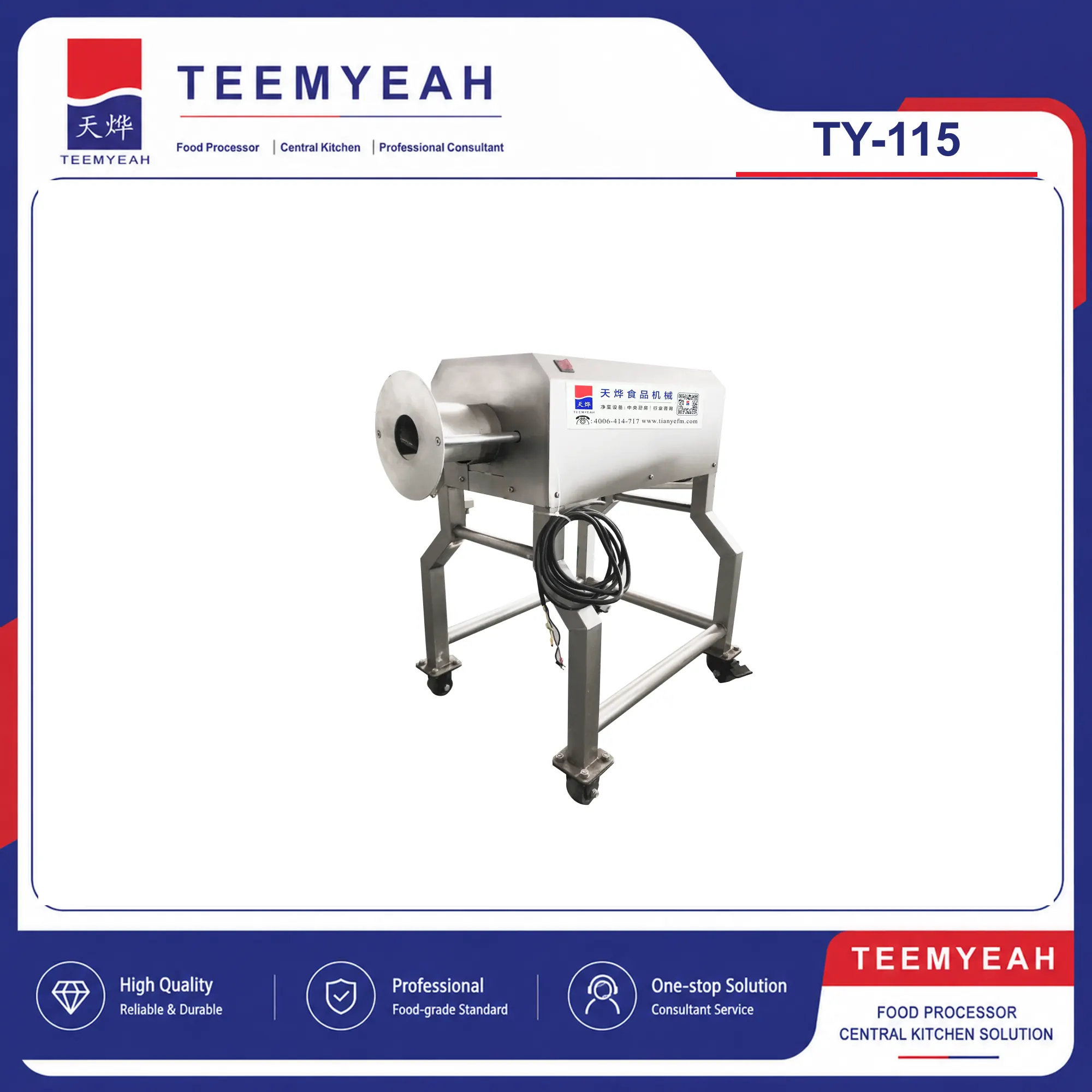
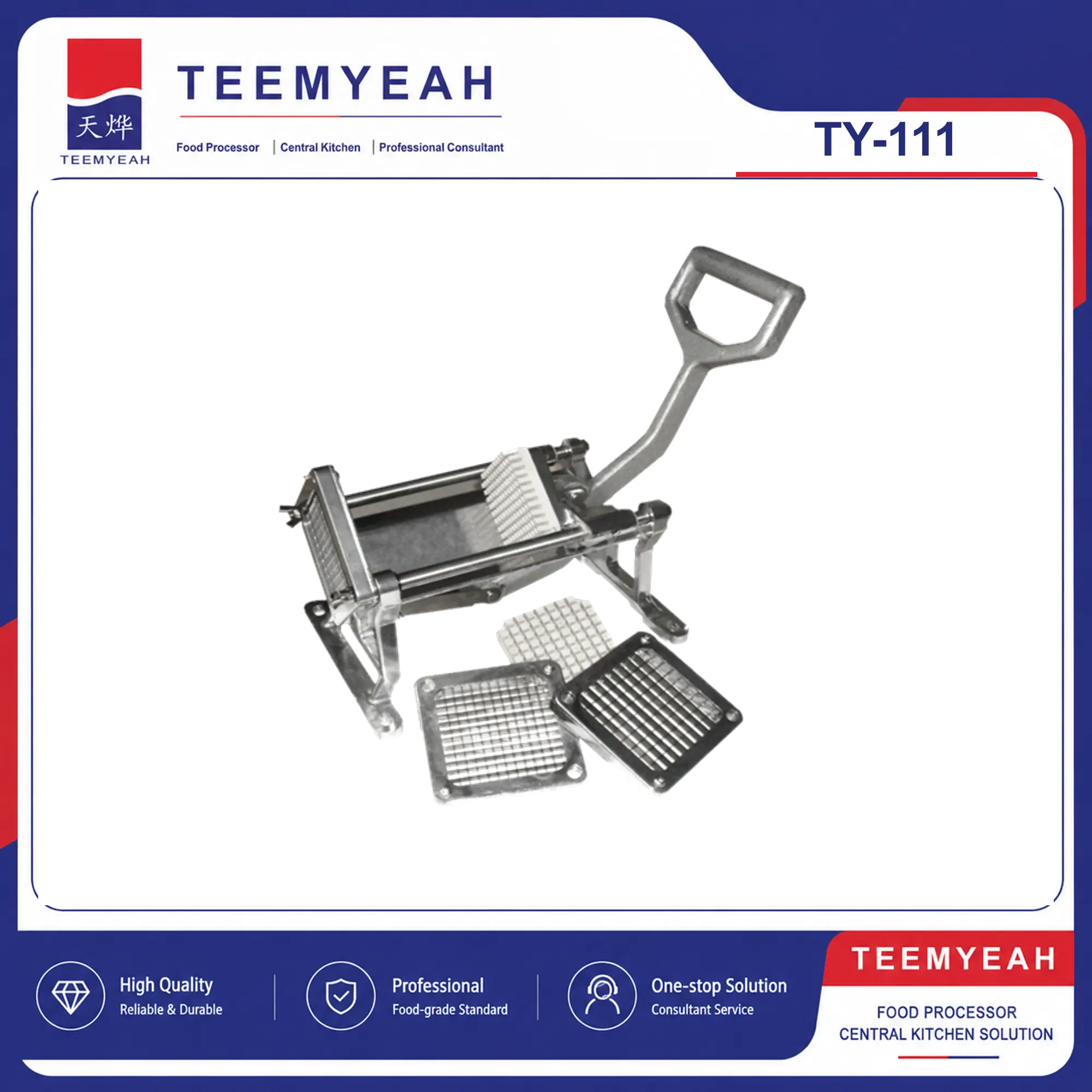
Related News
Summary A salad line retrofit site survey is not a photo collection or a room-size check. Its purpose is to […]
Summary Salad wash tank count is an easy purchasing shortcut because it turns a complex process into a number: one […]
Summary An industrial salad washer audit should explain why an installed washing stage misses its output or product-quality targets before […]
Summary A leafy vegetable processing line configuration for a nominal planning target of 500 kg/h should not simply be a […]
Summary Fresh-cut vegetable line capacity should be sized from the packed product customers will actually accept, not from the tonnes […]
Summary A packhouse fresh-cut processing upgrade is not simply the addition of a vegetable washer and cutter to an existing […]
Summary Vegetable washing and sanitizing are related operations, but they are not interchangeable controls. Washing primarily removes soil, plant debris, […]