







Fresh-Cut Vegetable Processing for Retail and Foodservice Supply
TEEMYEAH helps processors classify the intended finished product before planning fresh-cut vegetable processing. We review RTE, ready-to-cook, whole or trimmed and mixed-product routes around raw-material condition, plant interfaces and downstream packing requirements.

Fresh-Cut Production Covers More Than One Processing Route
RTE, ready-to-cook, whole or trimmed and mixed products do not automatically share the same preparation route or control plan.
Ready-to-Eat Fresh-Cut Products
Products intended to be consumed without a later cooking or pathogen-reduction step. Planning must consider post-process exposure, hygienic separation, water controls, sanitation, packaging and cold-chain conditions.
Ready-to-Cook Ingredients
Prepared vegetables intended for later cooking or further processing. Product specifications, traceability, sanitation and temperature control still need to be defined for the actual operation.
Whole Washed or Trimmed Produce
Whole or minimally prepared vegetables supplied to retail, foodservice or another processing facility. The route may focus on soil removal, trimming, sorting, inspection and packing preparation.
Mixed Fresh-Cut Components
Multiple vegetables or ingredients prepared for meal kits, foodservice packs, central kitchens or downstream assembly. Sequencing, changeovers and packing interfaces affect the route.
Operator responsibility: The food operator determines the product classification and validates controls against the actual product, intended use, hazard analysis, hygiene program and applicable local regulations.
Fresh-Cut Projects Begin from Different Operating Models
Existing Fresh-Cut Processor
For businesses adding products, reviewing bottlenecks or replacing selected equipment while retaining usable assets.
New Processing Facility
For teams defining production routes, room flow, utilities, hygienic separation and packing interfaces from the beginning.
Grower, Packhouse or Produce Distributor
For operations moving from whole-produce handling into value-added trimming, cutting, washing or foodservice packing.
Retail or Foodservice Supply Operation
For centralized preparation serving stores, kitchens, catering sites or institutional buyers with defined finished-product specifications.
What Fresh-Cut Processors Need to Control
Raw-Material Condition
Size, shape, maturity, soil load, leaf condition and seasonal variation affect preparation requirements and practical line balance.
Cut Specification
Define the required whole, peeled, sliced, diced, shredded or mixed result, including acceptable product appearance and handling limits.
Wash-Water and Sanitation-Control Strategy
The operator defines water quality, treatment, monitoring, renewal and sanitation-control requirements for the actual product and process.
Product Handling and Exposure After Cutting
Review transfers, inspection, accumulation, personnel contact and hygienic separation after the product surface has been opened.
Moisture Condition Before Packing
Define the required draining or dewatering outcome against the product, pack format and downstream handling condition.
Packaging and Cold-Chain Interface
Coordinate weighing, filling, sealing, labelling, refrigerated holding or transfer to a downstream operation.
Build the Route Around the Intended Product
Use these comparisons to identify the preparation and downstream questions for each product class; they are not a universal process diagram.
RTE Fresh-Cut
Whole or prepared vegetables intended to be consumed as supplied.
Trimming, cutting, controlled washing or sanitizer-assisted washing where appropriate, dewatering, inspection and handling before packing.
Direct connection to the defined retail, foodservice or salad-packing operation and its cold-chain controls.
The operator validates product-specific hazards, water and sanitation controls, post-process exposure, packaging and cold chain.
RTC Ingredients
Vegetables intended for later cooking or further processing.
Preparation, cutting, washing where required, draining, inspection and transfer according to the downstream use.
Bulk or portioned supply to cooking, central-kitchen, foodservice or further-processing operations.
The operator confirms the intended later process without treating it as a substitute for controls in the fresh-cut route.
Whole or Trimmed Produce
Whole vegetables or minimally prepared produce arriving from farms, packhouses or distribution operations.
Soil removal, washing, trimming, sorting and inspection according to the saleable specification.
Whole-produce packing, retail or foodservice supply, or transfer to another processing facility.
The operator confirms raw-material acceptance, wash condition, trimming criteria and packing controls.
Mixed Components
Several vegetables or ingredients with different preparation and handling requirements.
Separate or shared preparation, sequencing, changeover, inspection, mixing and controlled transfer to packing.
Meal-kit, foodservice, central-kitchen or downstream assembly interfaces.
The operator evaluates allergen relevance, route separation, changeovers, traceability and combined-product controls.
Review Bottlenecks Before Adding Equipment
Keep the present bottleneck and the future operating direction in view before selecting additional stages.
Mismatched Cutting, Washing and Dewatering
Compare connected-stage rates and product behavior before treating one machine as the cause of a line constraint.
Manual Transfer Points
Review lifts, drops, accumulation, product exposure and responsibility between existing and proposed equipment.
Changeovers
Map product sequence, format changes, cleaning steps and the time needed to return the route to a controlled condition.
Cleaning Access
Check access around frames, conveyors, drains, tools and retained equipment against the facility hygiene program.
Packing-Interface Timing
Confirm the handoff to weighing, filling, sealing, chilled holding or downstream production before adding upstream equipment.
Existing Assets That May Remain Usable
Document working heights, connections, controls, condition and cleaning access so suitable assets can remain in the project scope.
Existing assets can remain in the route when their condition, interfaces, practical operation and cleaning access fit the confirmed project scope.
Match the Project to the Right TEEMYEAH Solution
RTE Salad Processing Line
For fresh-cut salads and other vegetable products intended to be consumed without a later cooking step.
Leafy Vegetable Processing Line
For leafy products where cutting, washing, dewatering and gentle downstream handling must match the finished specification.
Root Vegetable Processing Line
For root crops requiring route planning around soil load, preparation method, finished cut and downstream handling.
Custom Food Pre-Processing Line
For mixed-product projects, retained equipment or several preparation routes that require a project-specific configuration.
Equipment Examples for Fresh-Cut Routes
These verified examples represent washing, cutting, dewatering and packing-interface functions that can be reviewed after the intended product route is defined.
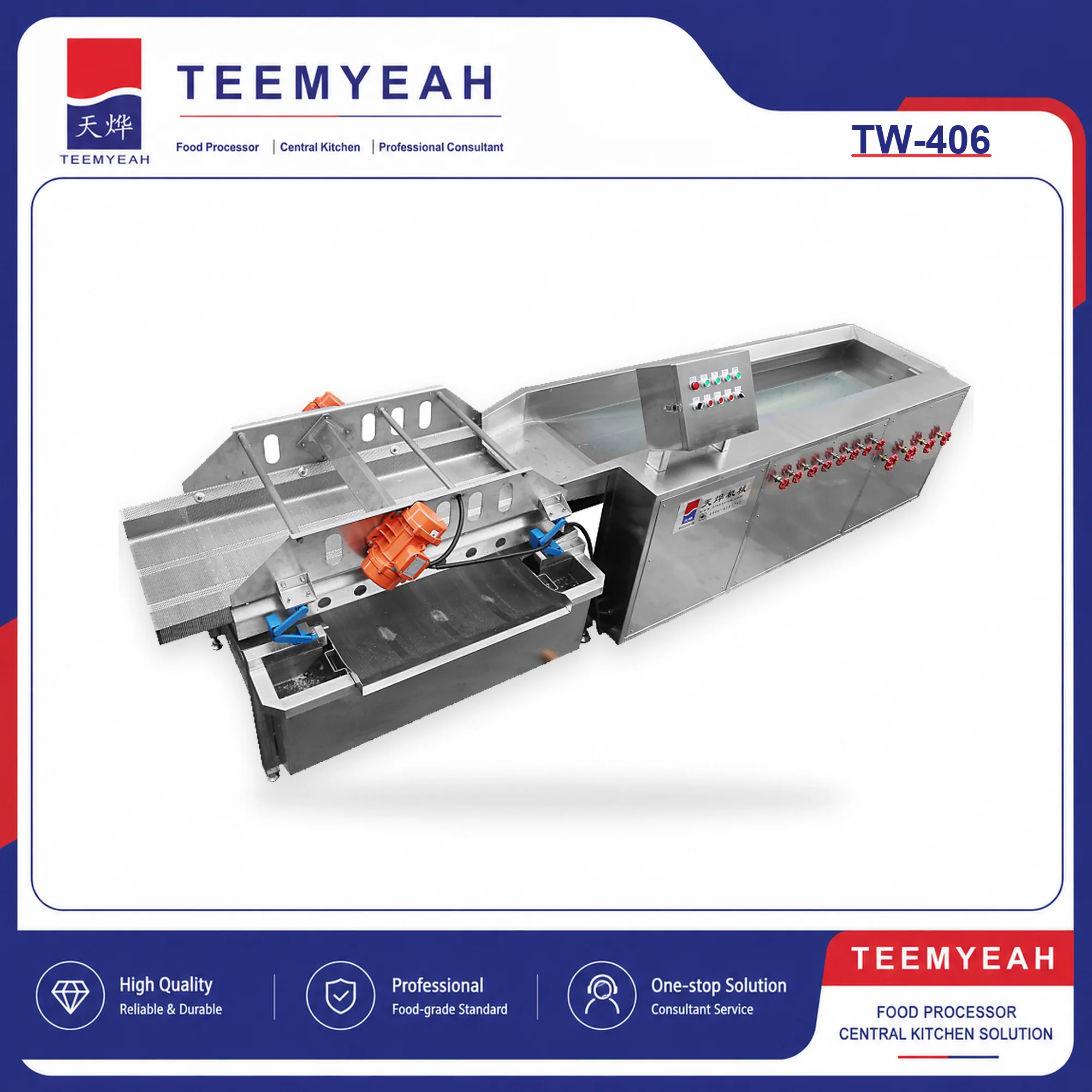
TW-406 Vegetable Bubble Washer
A washing-stage example for whole, trimmed or cut vegetables when the confirmed route requires continuous water-based handling. Water treatment, monitoring and product suitability remain operator-defined.
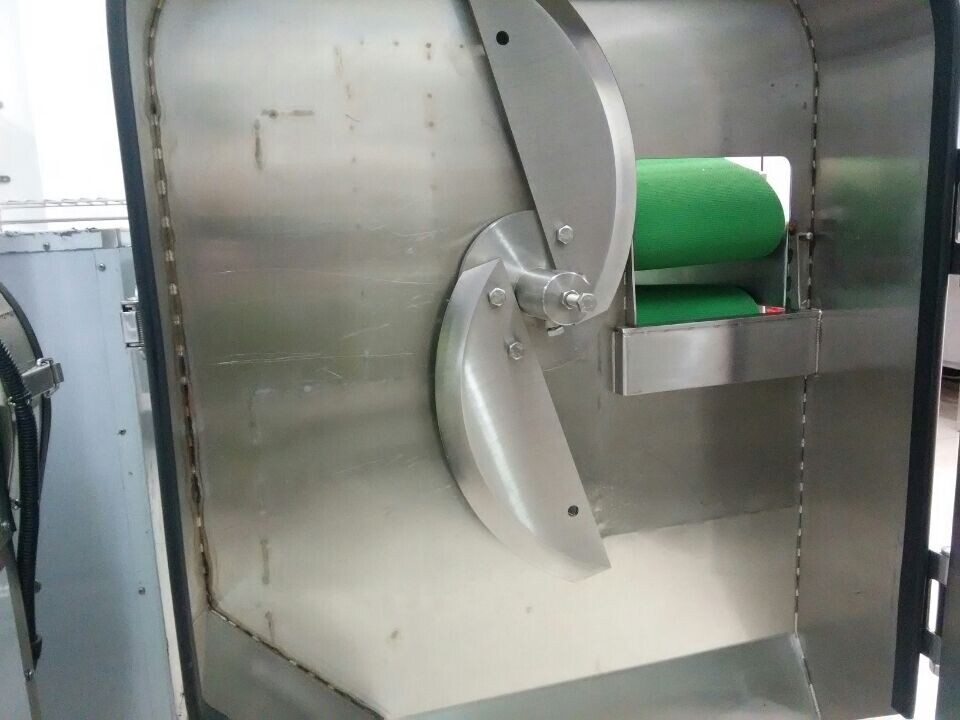
TW-902P Quick-Release Vegetable Cutter
A cutting-stage example for selected leafy and root vegetable formats where product range, cut specification and changeover access have been defined for the route.
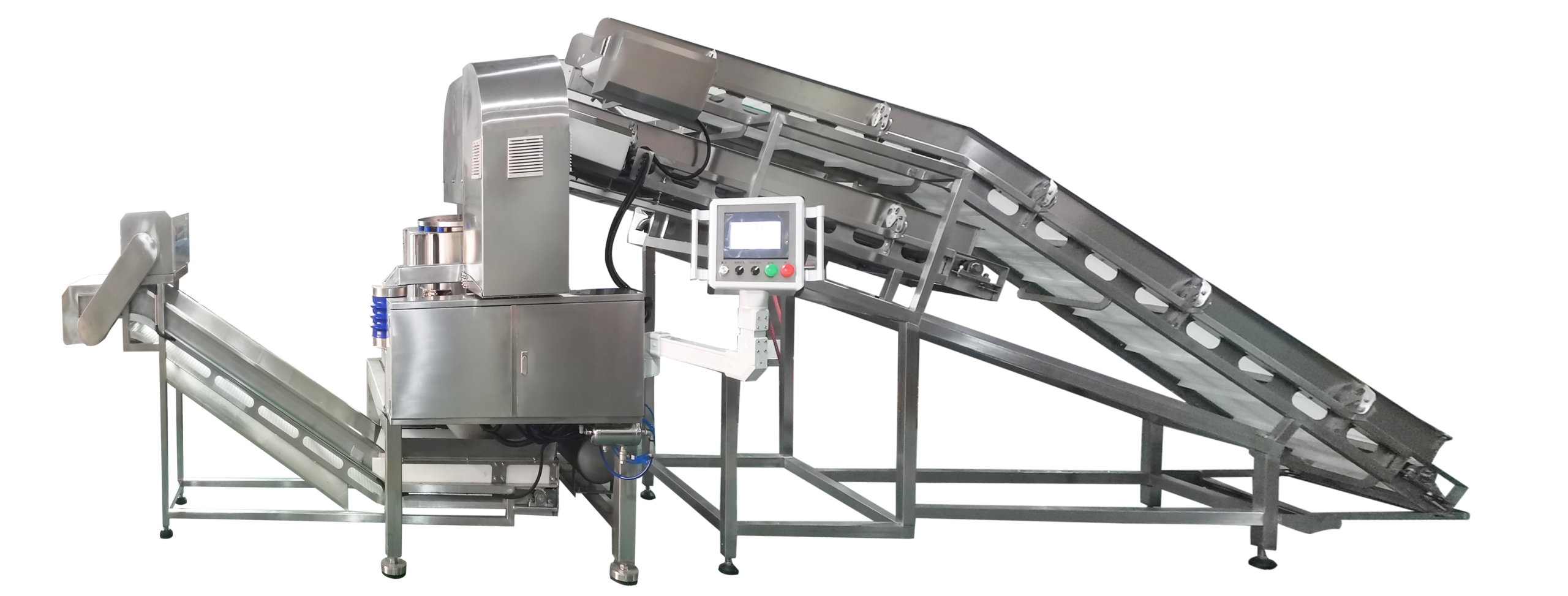
TW-980LB Vegetable Dewatering Line
A dewatering-stage example for cut-product routes that require centrifugal moisture removal before inspection or packing. Product condition and downstream interface determine suitability.
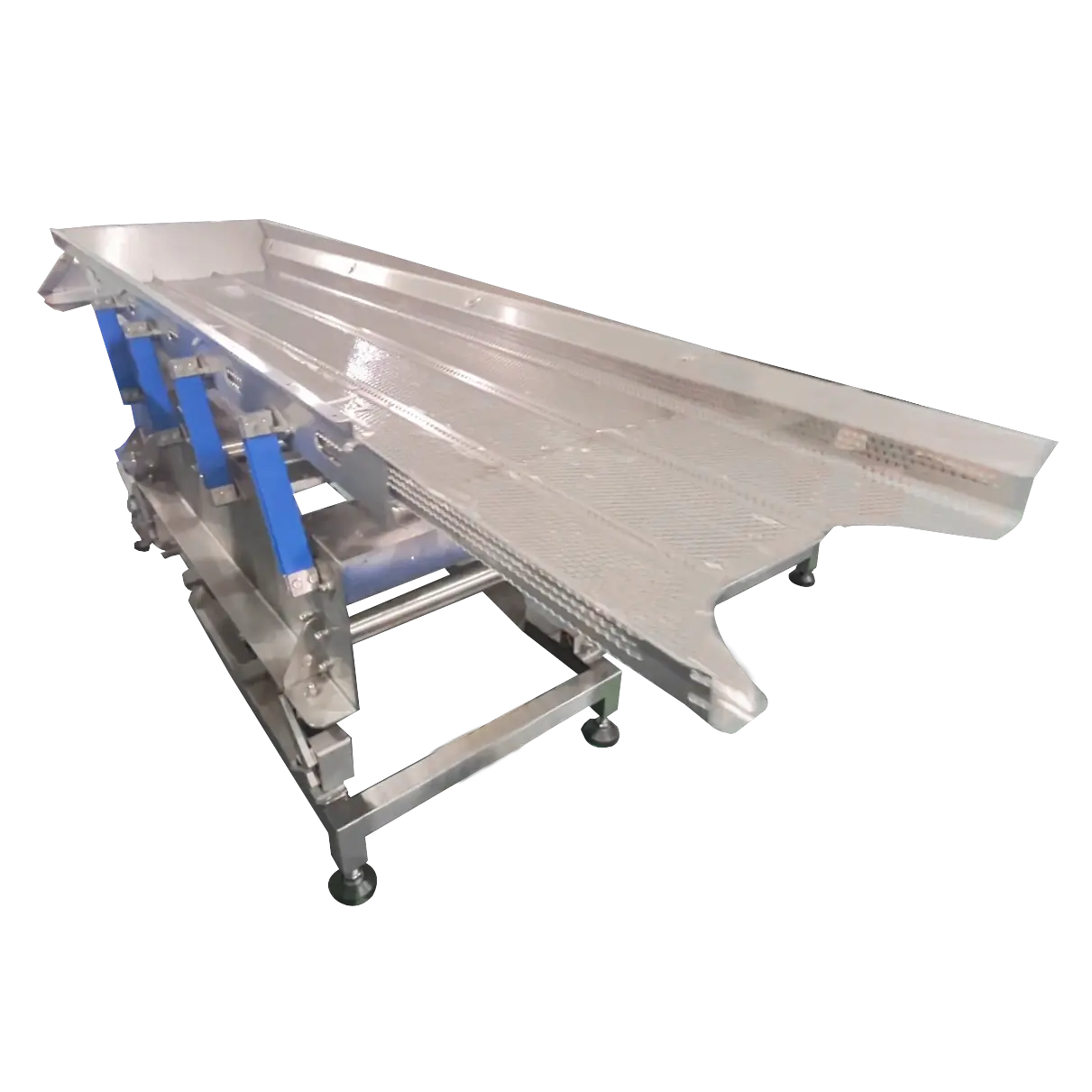
TYN-1400 Vibratory Dewatering Conveyor
A vibration-assisted draining and transfer example for selected products moving toward inspection or packing. Fit depends on the product, moisture condition and interface timing.
Selection scope: These cards are relevant equipment examples, not a preconfigured universal line. Final selection depends on the RTE, RTC, whole or trimmed, or mixed-product route; actual raw material; cut specification; wash and moisture conditions; sanitation-control method; layout; and downstream packing interface.
Equipment Supports Controls; the Operator Validates the Process
Line configuration and hygienic equipment design may support the operator’s control program, but equipment does not replace product-specific validation, operating procedures or regulatory responsibility. The food operator must validate food-safety controls for the actual products, intended use, hazard analysis, hygiene program and applicable local regulations. RTE and RTC products must not be assumed to use the same route or controls.
FDA guidance for ready-to-eat fresh-cut produce likewise treats fresh-cut RTE products as a product-specific hazard-control context; equipment alone does not validate the finished process.
Fresh-Cut Project Resources
Fresh-Cut Vegetable Processing Guide
Review product classification, process stages and planning questions before equipment selection.
Leafy Vegetable Processing Guide
Review considerations for leafy-product cutting, washing, dewatering and downstream handling.
Central Kitchen Solutions
See the related Industry page when fresh-cut preparation connects to centralized cooking, assembly or foodservice supply.
Fresh-Cut Project Context in Practice
Use published cases to identify planning questions, not to assume that another operation’s scope or outcome applies to a new project.

Retail Fresh-Cut SKU and Changeover Project
This published project shows how product range, cutting requirements, changeovers and downstream handling were reviewed for one retail food manufacturing context.
Case-specific note: Project conditions, equipment scope and outcomes are specific to the published case. They are not a universal performance, capacity, labor, hygiene, compliance, shelf-life, ROI or future-result promise.
Questions to Resolve Before Selecting a Line
Use these questions to prepare a project discussion around product classification, route fit and plant interfaces.
Fresh-cut processing prepares vegetables while they remain in fresh form. Depending on the product, this may include peeling, trimming, cutting, washing, dewatering, mixing and packing; the required stages depend on the incoming condition, finished specification and intended use.
RTE vegetables are intended to be consumed as supplied, without a later cooking or pathogen-reduction step. RTC vegetables are intended for later cooking or further processing, but their product specifications, sanitation, traceability and temperature controls must still be defined for the actual operation.
It may be possible in some facilities, but mechanical compatibility alone does not validate food-safety suitability. The operator must evaluate product sequencing, zoning, cleaning, tools, personnel movement, waste flow and changeover verification against the product-specific hazard analysis and local requirements.
Some individual machines may be mechanically suitable for more than one crop, but leafy and root products can differ in soil load, handling sensitivity, preparation method and wash requirements. Shared use requires evaluation of sequencing, zoning, cleaning, tools, personnel movement, waste flow, changeover verification and the finished-product control plan.
Start with the average and peak product requirement, operating hours, shifts, product mix and changeover plan. Then evaluate each connected stage using representative raw material, required cut form, inspection needs, accumulation, cleaning time and the downstream packing or transfer rate.
Integration can be evaluated when the existing equipment, control signals, working heights, infeed and discharge conditions, practical rates, cleaning access and responsibility split are documented. Final suitability depends on the confirmed interfaces and the operator’s process requirements.
No. Washing, sanitizing and ozone-based treatments do not by themselves guarantee food safety, microbial outcomes or shelf life. The operator must select and validate product-specific water, treatment, monitoring, sanitation, packaging and cold-chain controls within the complete food-safety program.
Share the raw materials and incoming condition, finished product classification, cut specification, wash condition, moisture condition, target saleable output, shift schedule, sanitation-control method, available layout, packing interface and existing equipment.
Discuss Your Fresh-Cut Vegetable Processing Project
Share the operating inputs that define the route before equipment is selected.
Please provide: raw materials, intended product classification, cut specification, wash condition, moisture condition, target saleable output, shift schedule, sanitation-control method, available layout, packing interface and existing equipment.