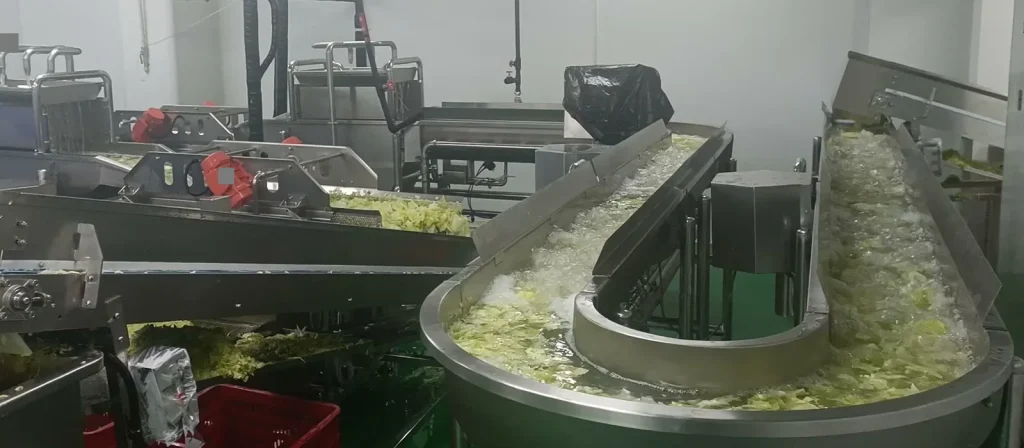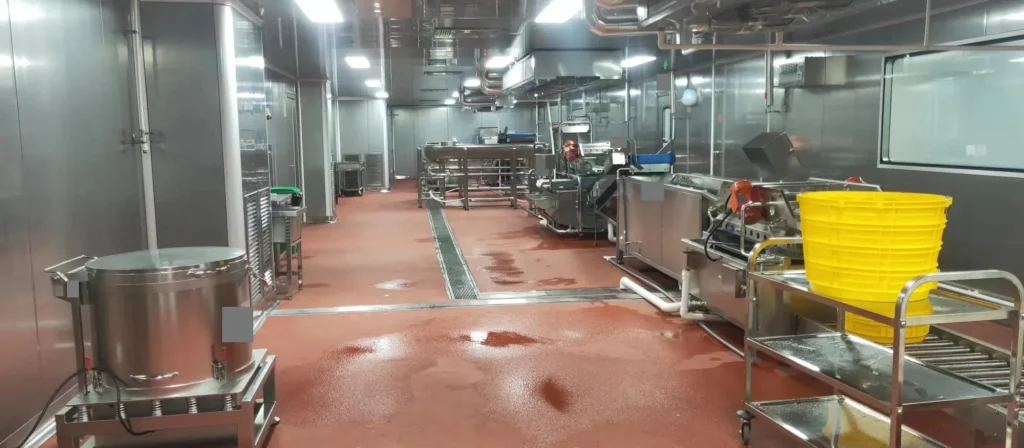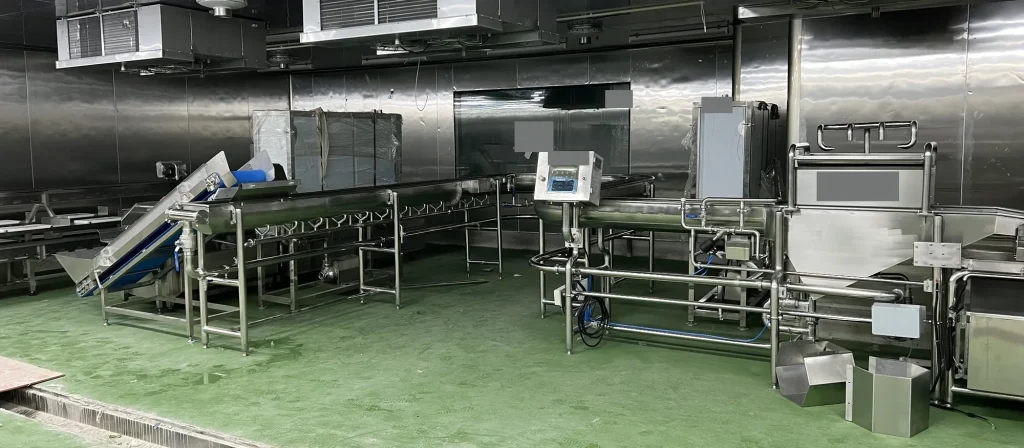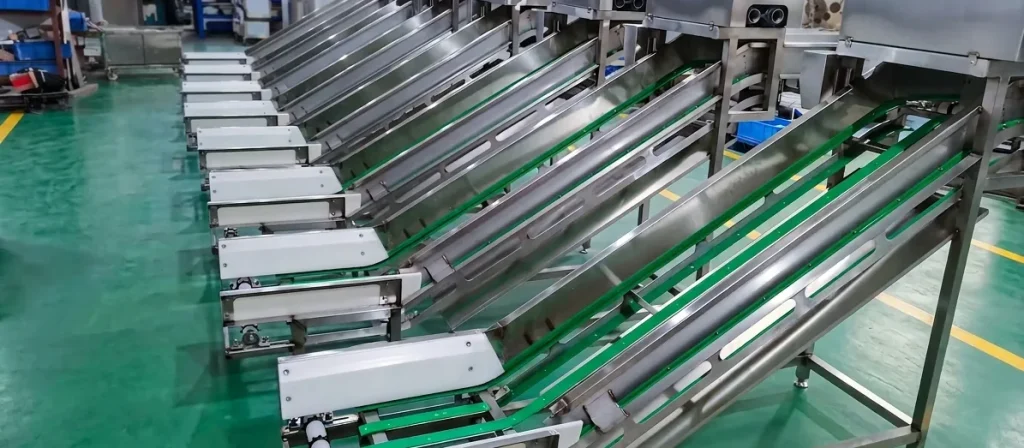
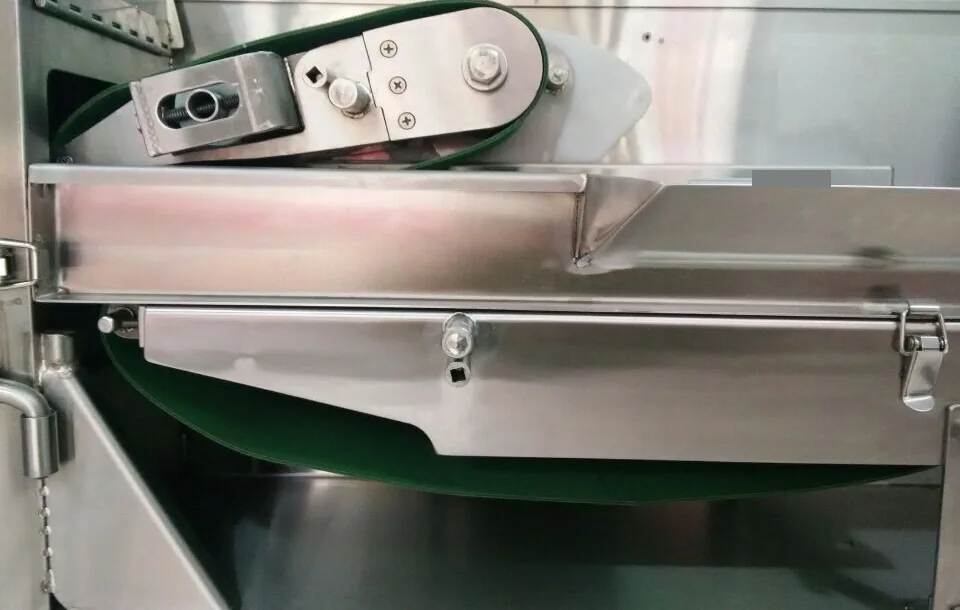
A produce-processing and food-supply operation required quick-release conveyor equipment alongside an upgrade to an existing processing unit. The project brought salad-area conveying, equipment replacement and identification continuity into the same planning discussion. TEEMYEAH’s engineering approach focuses on accessible connections, organized cleaning and maintenance, and a controlled transition within an existing equipment environment. Equipment images illustrate conveyor construction and service access.
Project Snapshot
- Customer industry: Produce processing and food supply
- Processing application: Salad conveying and an associated equipment upgrade
- Project type: Equipment upgrade with interface coordination
- Project scope: Quick-release conveyor equipment and an upgraded processing unit replacing a legacy unit
- Engineering focus: Cleaning access, equipment interfaces and controlled transition planning
The Operational Challenge
An equipment upgrade takes place within an environment that already has established machinery, working areas and operating procedures. New equipment needs to connect with that environment, while the project team must organize installation access and the transition between configurations. In this project, the scope combined quick-release conveyor equipment for the salad area with an associated processing-unit replacement.
The two activities have distinct engineering purposes. The conveyor work concerns transfer within the salad application. The replacement activity concerns the transition from a legacy processing unit to an upgraded unit. Keeping those purposes clear allows the project team to define the appropriate connections and review requirements for each part of the work.
At project level, installation space and the changeover window still need coordination. The equipment list therefore has to be considered alongside access, work sequencing and the information used to identify the equipment after the upgrade.
TEEMYEAH’s Engineering Response
Our engineering approach combines interface planning with cleaning and maintenance accessibility. The quick-release conveyor requirement provides a focus for reviewing how components can be reached, removed and returned to their operating positions. The associated equipment replacement adds the need for a controlled changeover and continuity in equipment information.
For the conveyor work, a quick-release structure is intended to support organized disassembly and reassembly. Its practical value depends on the final construction, accessible surfaces, safe handling of removable parts and the customer’s cleaning procedure. The design review should therefore consider how the equipment will be handled during routine cleaning as well as how it transfers material during operation.
For the equipment upgrade, the starting point is the relationship between the legacy unit and the upgraded unit. Connections, working space and installation activities need a clear boundary. Bringing equipment identification into the same review helps the team maintain a consistent reference for operation, maintenance and future service.
Equipment and Process Configuration
The salad-area scope includes quick-release conveyor equipment. The engineering specification needs to define its length, transfer width, construction and connections in relation to the surrounding equipment. Those dimensions and interfaces should reflect the intended material route and the access required for cleaning and maintenance.
The associated replacement involves a legacy processing unit and an upgraded processing unit. The replacement work should be reviewed against its own process requirements and adjacent equipment. This keeps the conveyor application and the unit replacement clearly organized while allowing their shared installation constraints to be managed together.
A functional scope schedule is useful for such a project. It identifies which equipment serves each activity, where the equipment boundaries lie and which connections require review. This provides a shared reference for discussing the conveyor work and the upgrade without losing the distinctions between their operating roles.
Implementation and Interface Considerations
A controlled transition begins with the existing interfaces. The installation review should establish how the upgraded equipment connects to its surroundings, what access is needed to position it and which activities depend on the same working area. An agreed sequence helps the team prepare the site and organize the changeover window around the required work.
Quick-release conveyor equipment also needs a practical reassembly review. Removable components require a defined place during cleaning and a repeatable method of returning them to the intended position. Access to fastenings, support points and inspection areas should be considered within the installed arrangement. These details connect the structural design to the customer’s routine maintenance organization.
Cleaning access should remain usable after the conveyor has been connected to adjacent equipment. A transfer connection can change how an operator reaches a component or how a removable part is handled. Reviewing the connected arrangement helps identify those constraints before they are built into the working environment.
Controlled equipment identification and asset continuity form another part of the upgrade requirements. The objective is to keep equipment information understandable through the transition, including the relationship between the installed unit and the documents used for operation and service. Identification requirements should remain consistent with safe operation and the equipment’s service needs.
The conveyor work and the upgraded unit also need appropriate checks against their respective scopes. A practical installation review distinguishes equipment positioning, mechanical connections and operating checks, then identifies which decisions involve adjacent work areas. This gives the site and equipment teams a clear basis for coordinating the transition.
What the Project Demonstrates
The project illustrates how an upgrade can combine equipment connections, cleaning access and information continuity. A quick-release conveyor requirement brings attention to routine disassembly and maintenance, while a processing-unit replacement brings attention to the existing interfaces and the changeover sequence. Both need to be considered within the site’s working environment.
For other buyers, the lesson is to describe the intended transition alongside the equipment requirement. Identify the process served by each item, the connections that may change and the access needed for installation and service. This gives the engineering review a practical focus and supports a more organized approach to equipment upgrades.
Relevant Solutions and Process Guidance
Explore the RTE Salad Processing Line Solution for the salad-processing context and Vegetable Washing for related process considerations. Additional project approaches appear in the Case Study Hub.
Discuss an Equipment Upgrade
Share the existing configuration, intended changes and installation constraints. Request a processing line recommendation so we can review the conveyor interfaces and upgrade requirements together.