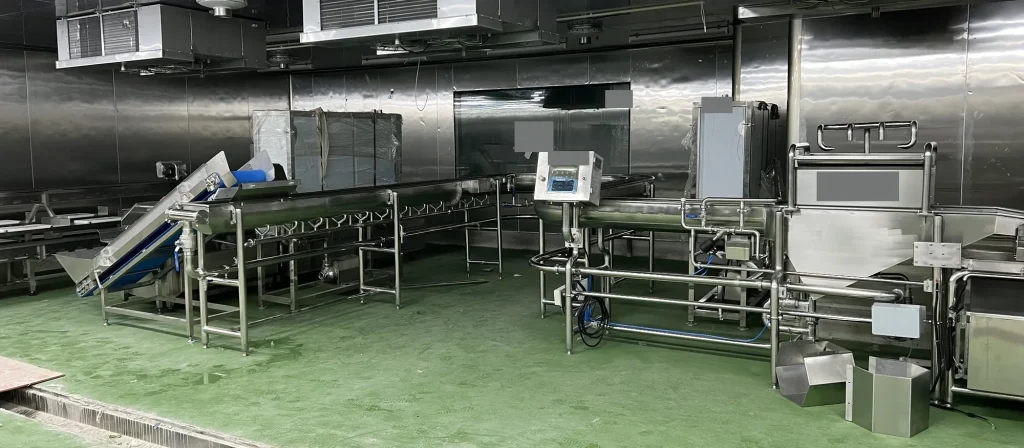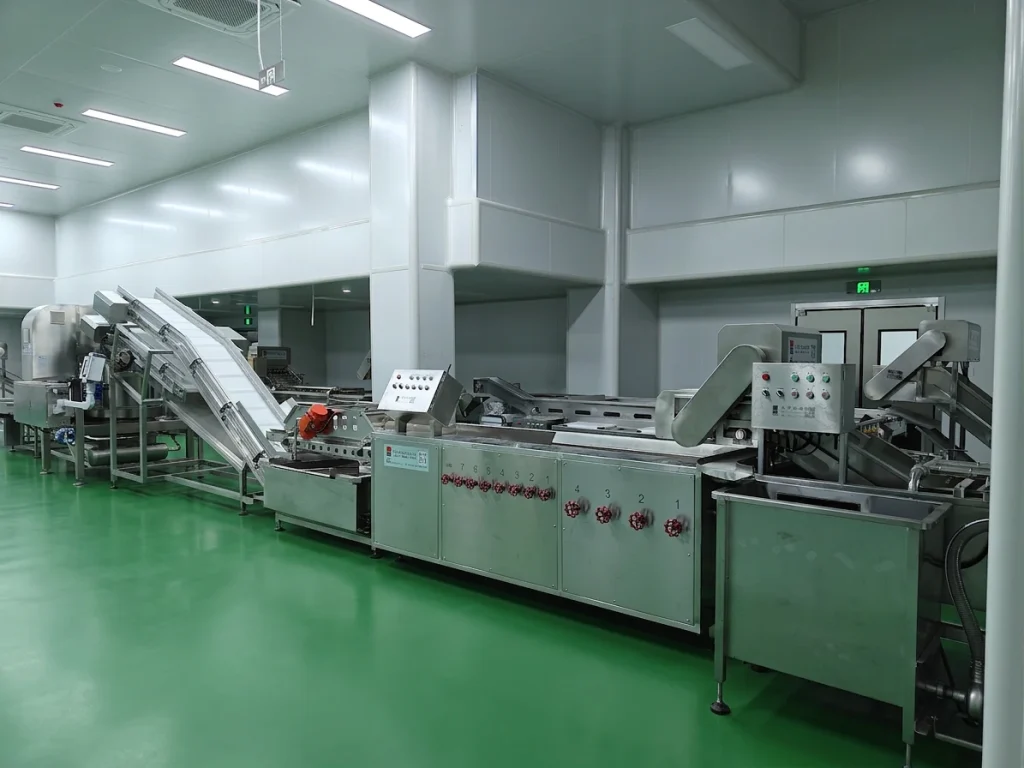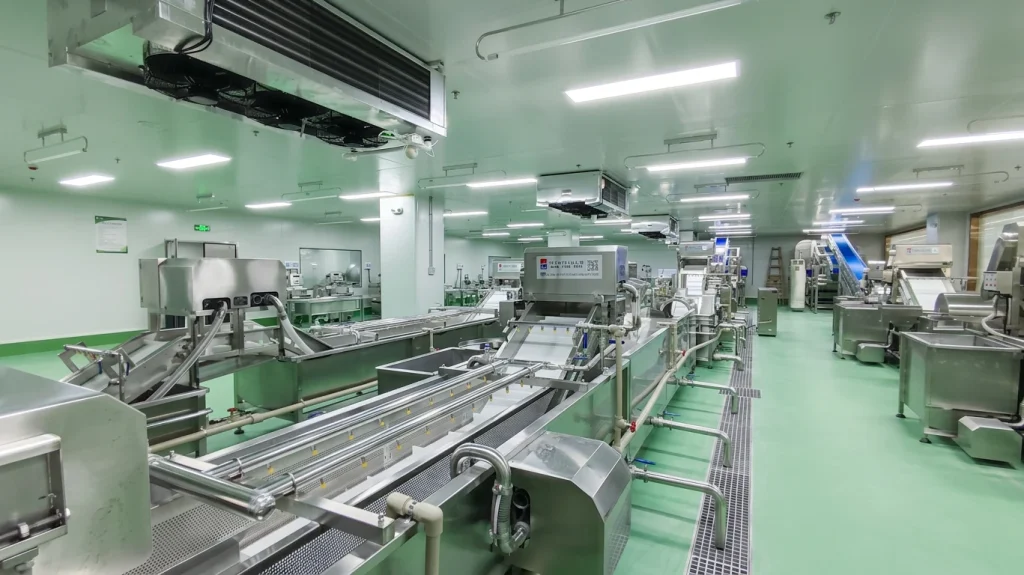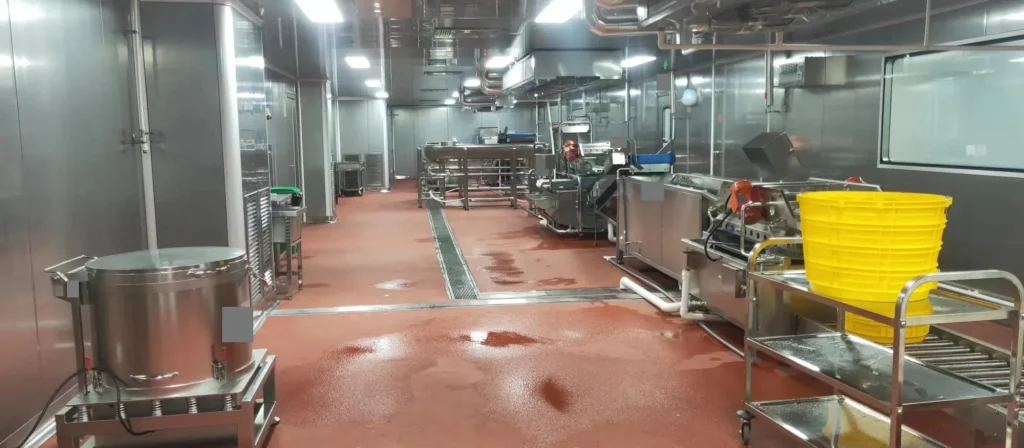
A catering and prepared-meal producer was adding fresh salad processing to an established meal-production operation. The project combined a staged equipment arrangement with a coordinated line launch. TEEMYEAH aligned the temporary processing unit, permanent configuration and supporting components around site readiness, then organized the connections needed for installation and initial process trials.
Project Snapshot
- Customer industry: Catering and prepared-meal production
- Processing application: RTE salad preparation
- Project type: Staged equipment deployment
- Project scope: Planned salad-processing equipment, one temporary compatible processing unit and supporting components
- Engineering focus: Site readiness, equipment compatibility and transition planning
- Line configuration range: 800–1,000 kg/h
- Deployment reference: 45-day equipment delivery and three-day installation-to-trial period
The Operational Challenge
The customer was extending an established meal-production operation into fresh salad preparation under a tight launch schedule. The new application brought together raw-material inspection, cutting, washing, treatment and rinsing, dewatering and downstream handling. A clear site-readiness milestone made equipment availability and interface coordination central to the deployment plan.
The challenge was to organize these requirements as one project. Supporting components, the temporary unit and the planned permanent equipment had to be considered together, with a clear distinction between what each stage was intended to support.
TEEMYEAH’s Engineering Response
Our response was to structure the project around staged deployment. A temporary compatible processing unit formed part of the arrangement for the customer’s readiness milestone, while the permanent equipment remained the basis of the intended production configuration. Supporting components belonged to the same coordination plan.
Compatibility is central to that review. Relevant considerations include the material route, inlet and discharge positions, available utilities, cleaning access and operating space. Where a temporary unit serves a related processing function, its connections still need to be reviewed in the actual arrangement. The surrounding equipment and support components should be considered alongside the unit itself.
Equipment and Process Configuration
The project scope combined planned salad-processing equipment, one temporary processing unit and supporting components. The equipment arrangement was intended to support staged implementation of the salad application, with coordination extending to the items needed for installation and connection.
The broader process route connects inspection and cutting with washing, controlled treatment and rinsing, and dewatering before downstream handling. The integration review considers both new equipment and equipment already present at the site. The 800–1,000 kg/h configuration range provides a sizing reference; operating output depends on raw material, cut size, loading and the selected process conditions.
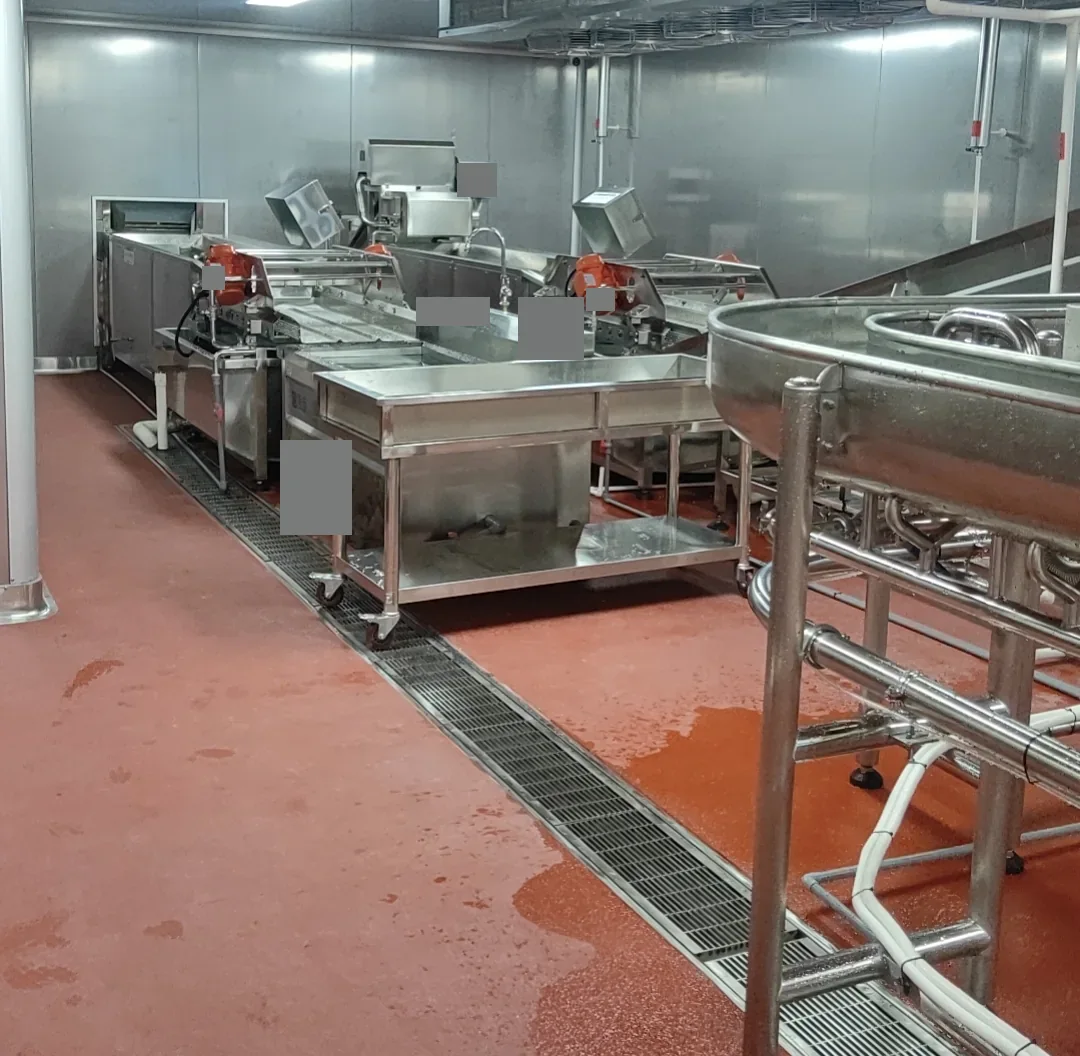
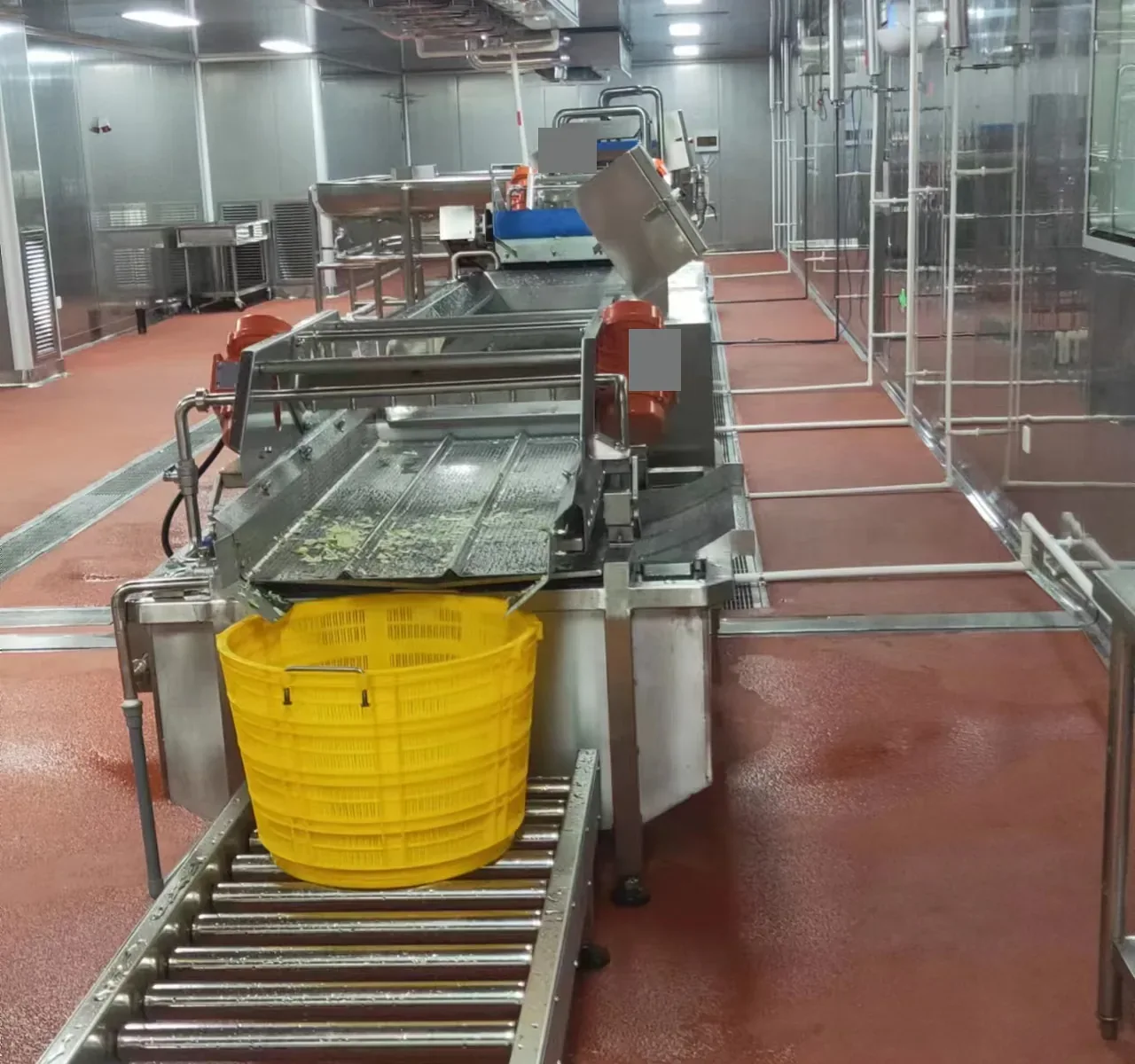
Curved stainless steel processing sections, accessible connections and coordinated transfer points formed the physical basis of the line arrangement. For each interface, the engineering review considers material condition, direction of movement and the access needed for cleaning. Supporting components remain part of the same coordination plan as the main processing equipment.
Line Launch and Handover
The project deployment reference comprised a 45-day equipment-delivery window followed by three days from installation to initial trials. The staged arrangement addressed the immediate readiness milestone, while the line launch brought the permanent configuration and surrounding interfaces into operation. Installation work included equipment positioning, connection checks and preparation for the first process trials.
Where a chemical treatment step is used, the operating procedure must account for the chemicals, concentration, contact time, water quality, contamination load, monitoring and on-site validation. Mechanical readiness and process controls are reviewed together when preparing the line for routine use.
Implementation and Interface Considerations
A staged project benefits from separate readiness criteria for the interim arrangement and the permanent configuration. Positioning, utilities and access form part of the initial site review. The transition plan then needs to identify what changes when the permanent equipment is introduced and which surrounding components require adjustment.
Even equipment with a related function can differ in footprint or connection height. Reviewing those differences before the transition helps the project team organize the work area and sequence the necessary changes. Cleaning and maintenance access should remain part of the review, particularly where a connection could restrict access to a removable part or service point.
The transition window is another practical consideration. Equipment positioning, connection work and process checks need an agreed sequence, with responsibilities clear across the site and equipment teams. The aim is to make the handover between stages manageable and to keep the immediate arrangement aligned with the longer-term configuration.
Project Operating Results
The line moved from installation into initial production trials, with the first products meeting the customer’s agreed intake requirements. During a three-year operating period, equipment effectiveness and product yield remained central measures of the line’s performance.
- Equipment configuration rating: 800–1,000 kg/h
- Equipment delivery window: 45 days
- Installation to initial trials: 3 days
- Equipment effectiveness (OEE): above 92%
- Major equipment-failure shutdowns: none during the three-year operating period
- Usable product yield: approximately 90%
- Production team: 15 operators
- Line automation: approximately 60%
- Product shelf-life specification: 2 days under the project’s processing and storage conditions
These figures describe this project’s operating conditions and assessment scope. Product yield, line output and shelf life depend on the raw material, preparation specification, process controls and storage conditions. The staged equipment arrangement and coordinated interfaces supported the progression from launch into routine operation.
What the Project Demonstrates
The project illustrates the value of planning around an operational milestone as well as an equipment list. A staged approach brings the temporary arrangement, permanent configuration and support components into the same discussion. This gives buyers a useful framework for projects where site readiness and the introduction of permanent equipment follow different sequences.
The transferable lesson is to define the purpose of each stage and review the transition between them. Equipment selection is one part of that work. Connections, operating access, supporting items and the sequence of site activities determine how the arrangement should be organized. Treating these as shared project requirements provides a structured path for staged implementation.
Relevant Solutions and Process Guidance
Explore our RTE Salad Processing Line Solution for the broader processing route and our Vegetable Washing guidance for selection considerations. Further applications are available in the Case Study Hub.
Discuss a Staged Processing Project
Share your intended process, site-readiness milestone and permanent-operation requirements. Request a processing line recommendation so we can review the equipment scope and the interfaces that need coordination at each stage. For broader planning context, see TEEMYEAH’s overseas installation and commissioning support.