







RTE & Fresh-Cut Processing Solutions
RTE Salad Processing Line for Fresh-Cut Production
Build a new value-added fresh-cut operation, create a centralized fresh produce supply facility for a retail network, or increase the capacity of an existing RTE salad line with integrated preparation, cutting, washing, sanitizing, dewatering and downstream handling.
Choose Your Starting Point
Where Are You Starting From?
A grower entering value-added processing, a retail group building centralized fresh food supply and an established fresh-cut processor expanding production have different priorities. The line should start from the business requirement rather than from a fixed equipment list.
Move From Whole Produce to Higher-Value Fresh-Cut
Extend beyond harvesting, grading and whole-produce packing by adding preparation for fresh-cut, foodservice or retail-ready vegetable products.
Start with the processing stages required for today’s buyers while leaving room to increase SKU range and production capacity as the fresh-cut business develops.
Build Centralized Fresh Produce Supply for Your Store Network
Process fresh vegetables centrally for distribution to multiple retail stores, including washed produce, trimmed vegetables, fresh-cut ingredients and selected RTE salad products.
The facility can be planned around store demand, multiple SKUs, retail pack formats, hygiene zoning, cold-chain flow and future network growth.
Increase Capacity Without Replacing Everything
If demand has grown faster than your processing line, the constraint may sit in one stage such as cutting, washing, product transfer, dewatering or packaging.
Existing machines can be reviewed before new equipment is selected, helping focus investment on the stages that actually limit output or daily operation.
Product Applications
RTE Salad Products the Line Can Be Configured For
Different leafy products behave differently during cutting, washing, transfer and dewatering. The process should therefore be configured around the actual raw material, finished cut, required output and product sensitivity rather than using one fixed operating method.
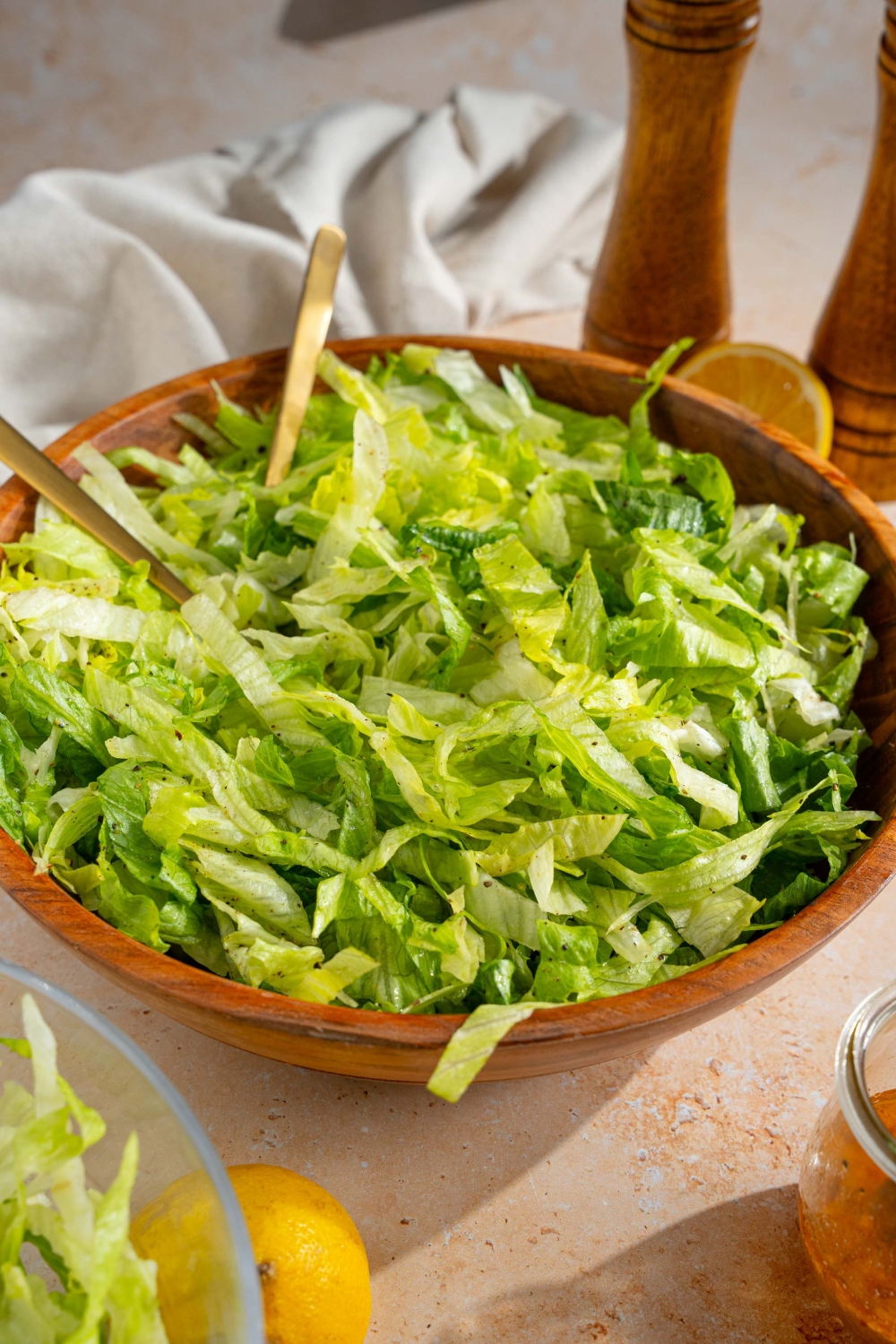
Iceberg Lettuce
Whole-head preparation, controlled cutting, staged washing and moisture removal for fresh-cut salad production.
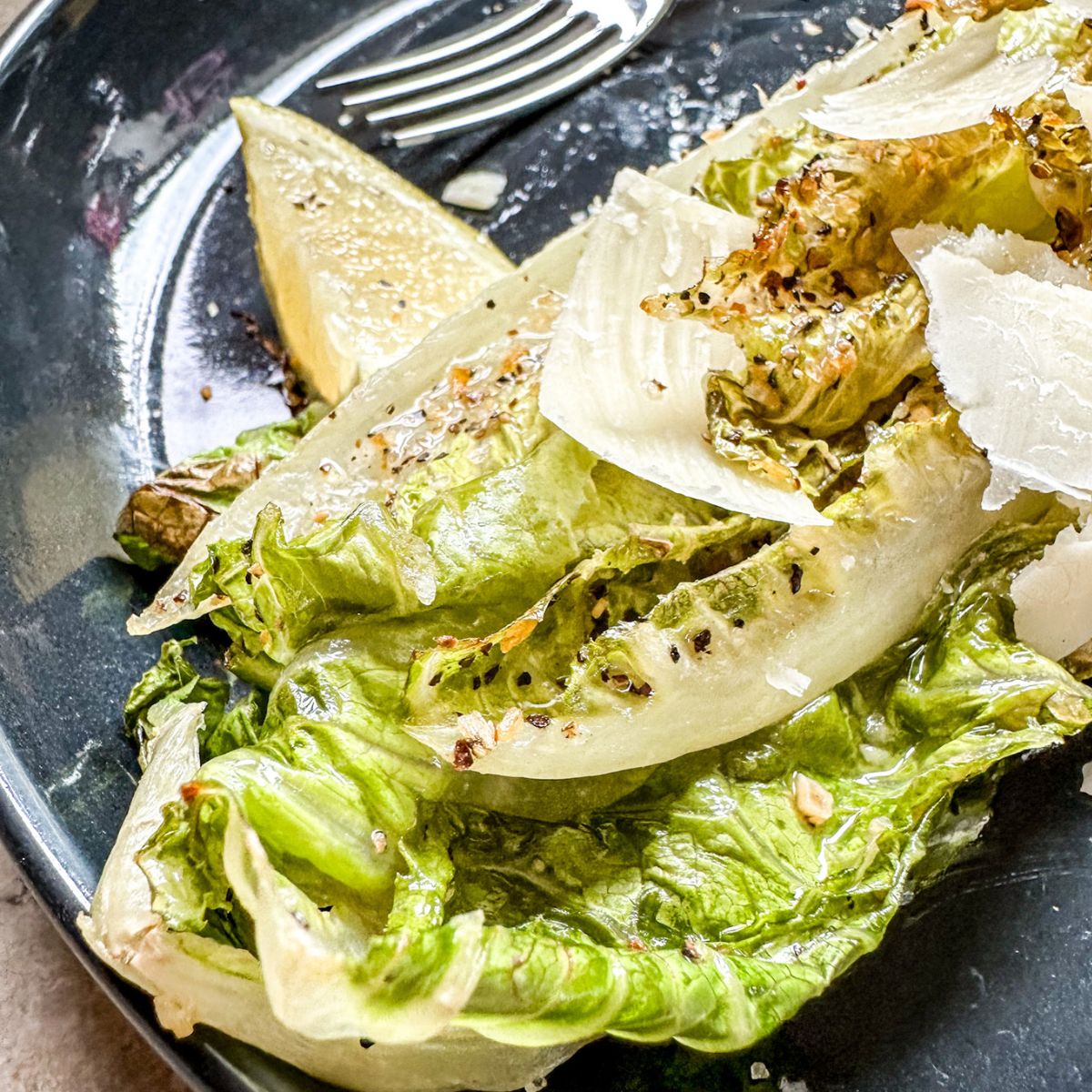
Romaine Lettuce
Preparation and cut-leaf processing for retail salad, foodservice and mixed fresh-cut applications.
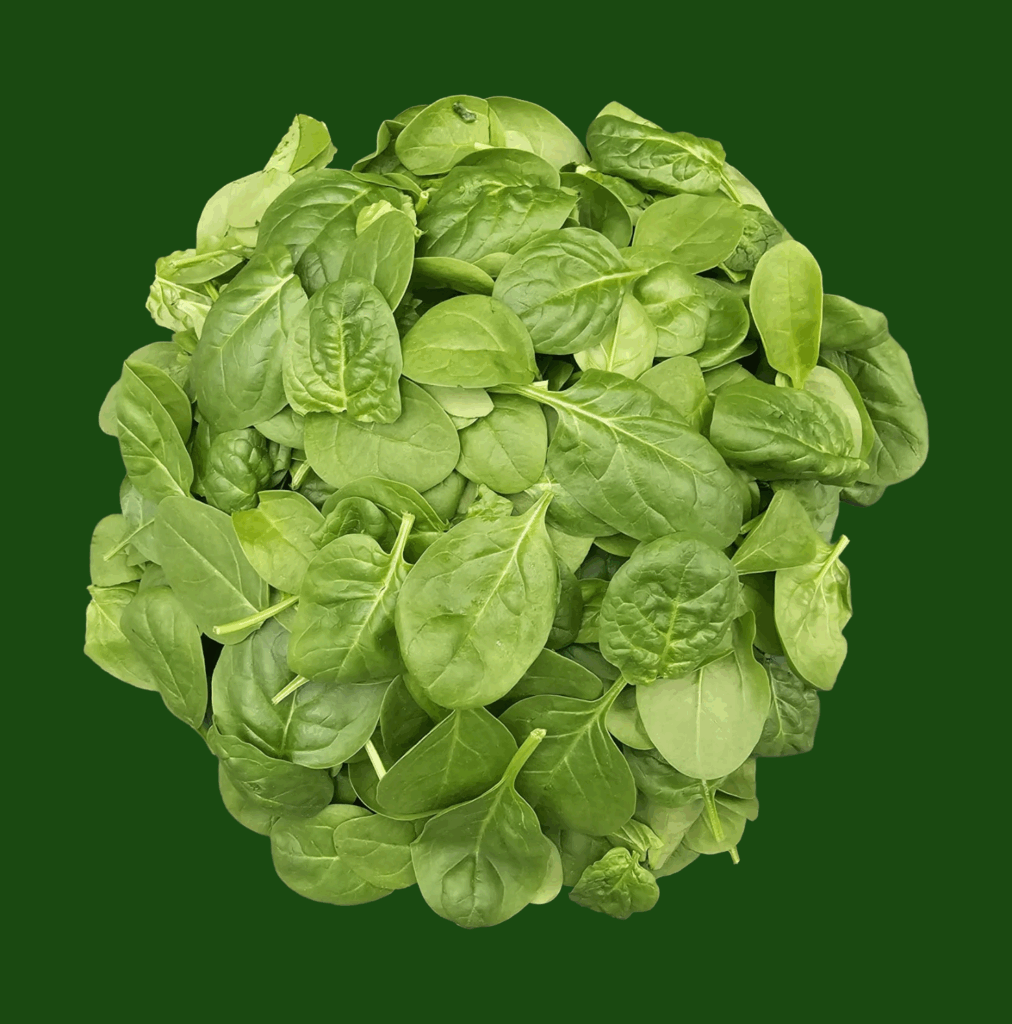
Baby Leaf & Spinach
Gentler product transfer and washing strategies for delicate leaves where mechanical handling requires greater control.
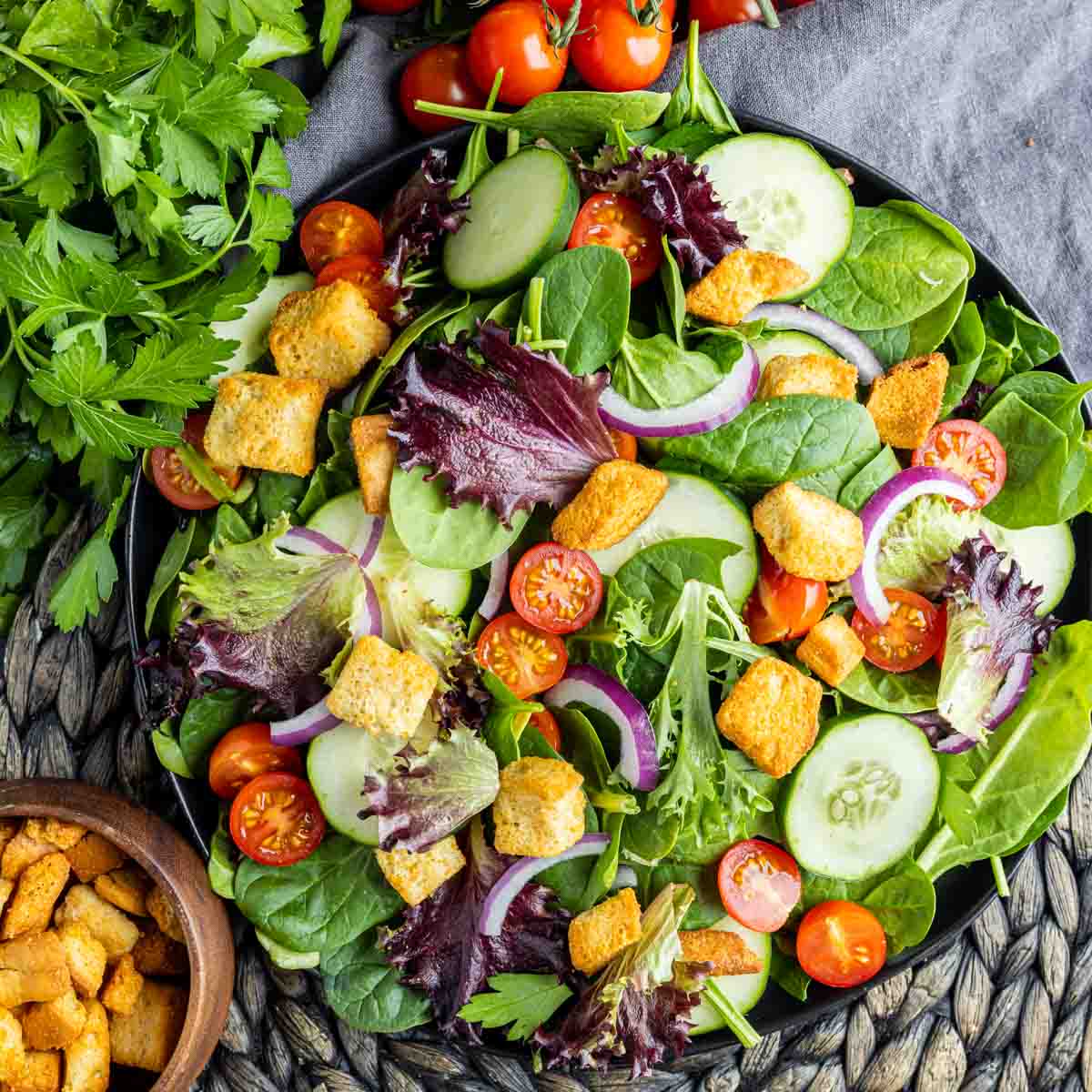
Mixed Salad Ingredients
Leafy products combined with cut vegetables and other recipe components for downstream inspection, mixing and packing.
RTE Processing Workflow
From Whole Produce to Ready-to-Pack Salad
A reliable fresh-cut line depends on how each processing stage works with the next. Product condition, final cut, hygiene program, target output and downstream packaging all affect the configuration.
Receiving
Raw produce intake and initial product control.
Preparation
Trimming, sorting and visual inspection.
Pre-Washing
Initial removal of field soil and loose material.
Inspection / Mixing
Final quality control or recipe preparation.
Packaging Interface
Transfer to weighing and downstream packing.
One workflow does not fit every salad product. Iceberg lettuce, romaine, cabbage, baby leaf, herbs and mixed salads can require different handling intensity, wash conditions and moisture-removal strategies. Final configuration should be based on the actual product, process conditions and required finished product.
Line Configurations
Configure the Line Around Your Business Model
TEEMYEAH does not treat every project as the same fixed machinery package. The production model determines which modules, automation level and interfaces should be prioritized.
Value-Added Fresh-Cut Line
For growers and packhouses moving beyond whole-produce supply into prepared vegetables, fresh-cut ingredients or salad products.
Best fit: businesses with secure raw material supply that want to capture more value before produce reaches retail or foodservice customers.
Central Fresh Produce Processing for Retail Networks
For supermarket and retail groups building centralized fresh produce processing to supply multiple stores.
Best fit: retail networks requiring standardized store supply, multiple SKUs and capacity that can grow with the store network.
Continuous Salad Processing Line
For commercial fresh-cut manufacturers producing lettuce, leafy vegetables, mixed salads and other prepared produce at repeatable daily volumes.
Best fit: processors with defined daily volume, product specifications and downstream packing requirements.
Existing Line Capacity Upgrade
Increase the capacity or functionality of a working salad line by upgrading selected stages rather than assuming the complete system must be replaced.
Best fit: processors that need greater output, easier cleaning or improved performance from one or more critical process stages.
See the RTE Process in Production
See how complete RTE workflows, integrated processing modules and alternative washing configurations operate before selecting the line structure for your product and output.
Fresh-Cut Vegetable Processing in Operation
Watch cutting, product transfer, washing and downstream moisture removal work as one connected RTE process.
Complete RTE Salad Processing Solution
See how cutting, transfer, washing and dewatering modules are connected in a complete salad-processing configuration.
Continuous Line or Multi-Tank Washing?
Compare the washing architecture around required output, production pattern and available floor space.
Multi-stage continuous washing for stable commercial RTE output.
Sequential multi-tank washing where a long continuous line is unnecessary.
TW-307 Series Elevator Conveyor
Provides controlled transfer between cutting, washing and downstream modules. It supports line integration rather than serving as a primary processing option.
RTE Equipment Selection
Equipment Options for Each Stage of an RTE Salad Line
Compare cutting, washing, sanitizing, draining, air-drying and centrifugal options around the actual product, required output and downstream packaging condition.
Cutting & Ingredient Preparation
Match the cutter to the raw material, required geometry and changeover pattern.

Quick-Release Vegetable Cutter
Flexible cutting for leafy vegetables and mixed salad ingredients when SKUs or cut formats change frequently.
- Best fit: Frequent changeovers and mixed daily production.

Industrial Vegetable Cutter
Continuous sectioning, slicing and shredding of leafy vegetables before downstream washing.
- Best fit: Higher-throughput leafy salad production.

Industrial Julienne Cutter
Produces consistent strips from carrots, radish and other firm ingredients for mixed salads and coleslaw.
- Best fit: Mixed-salad and coleslaw ingredient preparation.
Washing & Sanitizing Integration
Select the washing configuration around product sensitivity, output and available space, with ozone or PAA control integrated where required by the validated process.

Vegetable Bubble Washer
Continuous bubble washing for cut leafy vegetables, used independently or before a larger RTE washing system.
- Best fit: Focused washing stages and line upgrades.
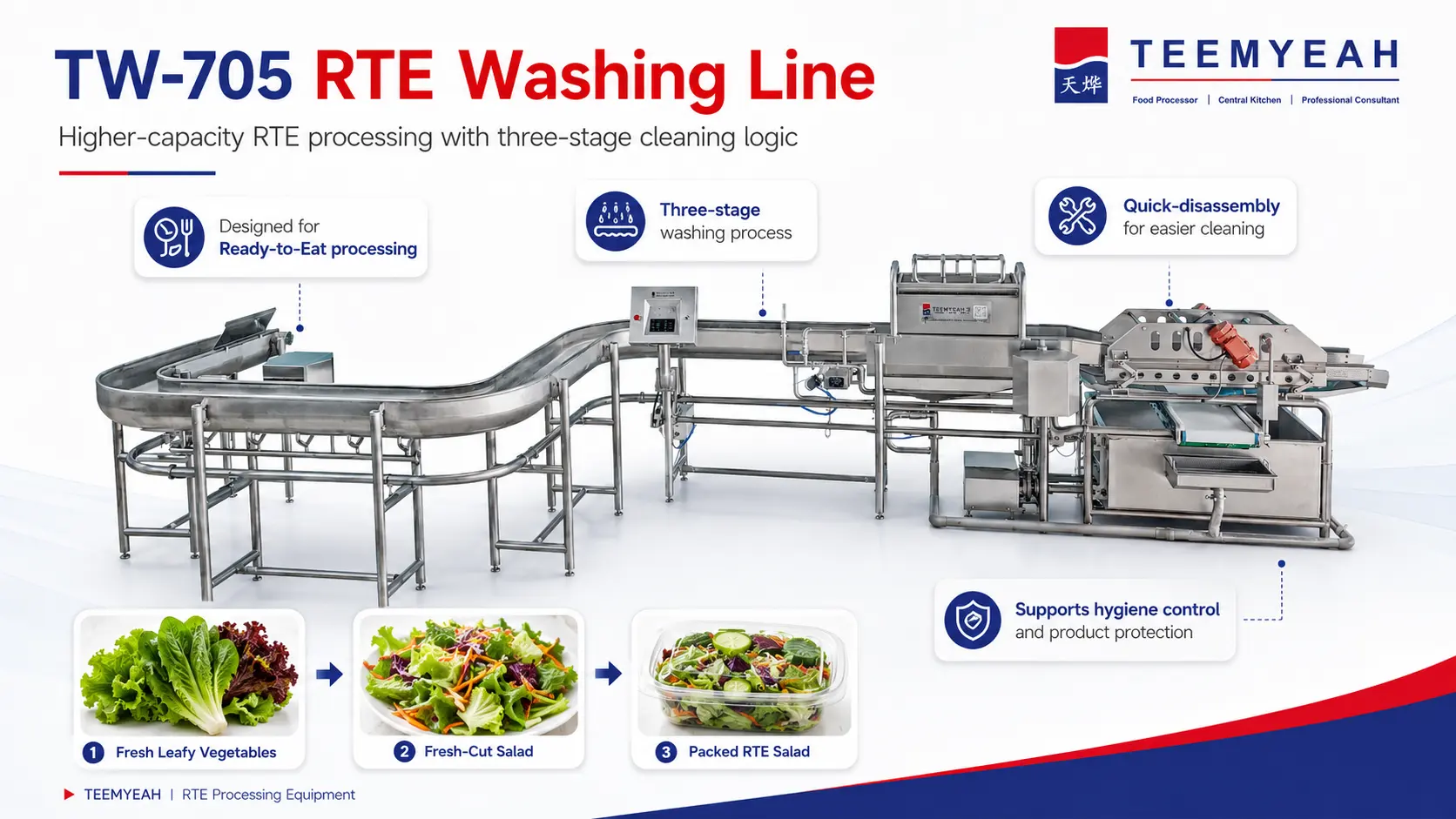
RTE Salad Washing Line
Multi-stage washing with gentle transfer and hygienic access for continuous commercial salad production.
- Best fit: Continuous RTE production and integrated lines.
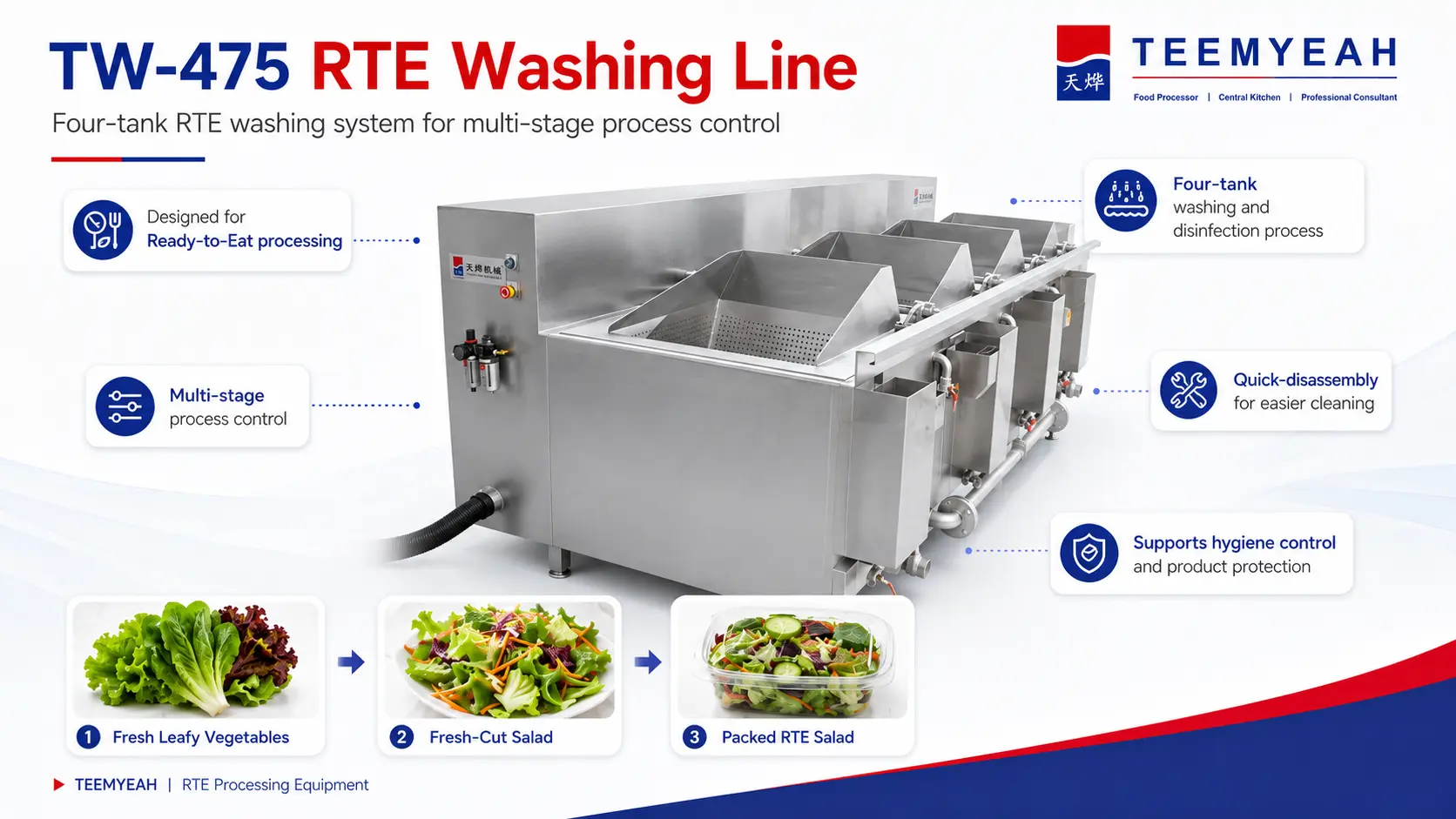
Multi-Tank Salad Washer
Sequential washing for lower-output projects or facilities where a long continuous line is unnecessary.
- Best fit: Limited space and batch-oriented production.

Catalytic Ozone Sanitizing System
Supports wash-water sanitation control when integrated with TW-406, TW-705 or TW-475 in a validated process.
- Best fit: Ozone integration with vegetable washing systems.

PAA Dosing & Concentration Control
Automatically doses PAA and monitors concentration online within an integrated, validated vegetable washing sanitation process.
- Best fit: Validated PAA dosing and concentration-control programs.
Draining, Air Drying & Dewatering
Choose vibration, airflow or centrifugal moisture removal around product sensitivity, target surface condition, line capacity and downstream packaging requirements.
These modules are alternative or combinable options—not mandatory consecutive stages in every salad line.
Configuration depends on the product and required finished condition.

Vibratory Draining Conveyor
Uses controlled vibration to remove free water while continuously transferring washed vegetables to the next process.
- Best fit: Gentle continuous draining after washing.
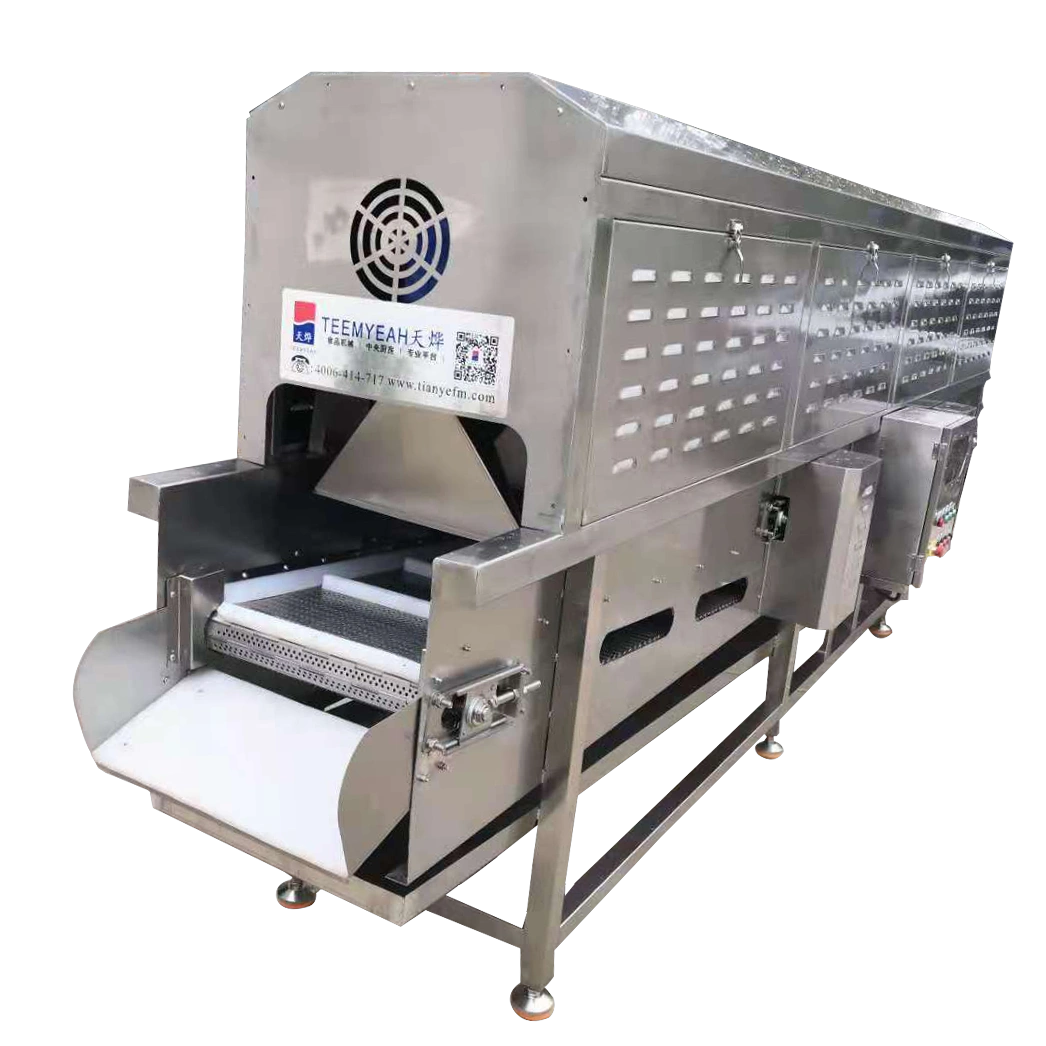
Vegetable Air-Drying Conveyor
Uses controlled airflow during continuous conveying to reduce remaining surface moisture after washing or draining.
- Best fit: Continuous, non-centrifugal surface-water removal.
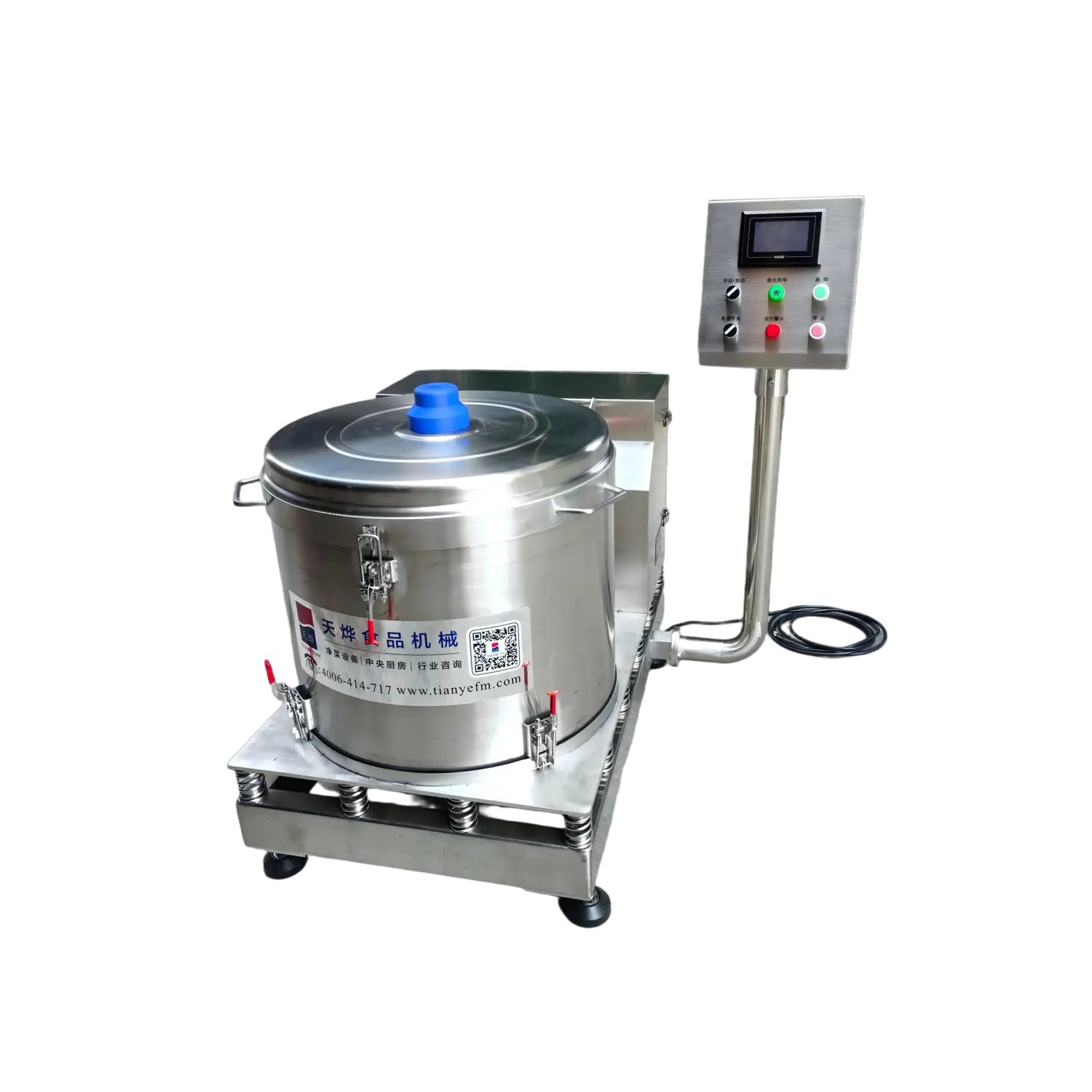
Centrifugal Vegetable Spin Dryer
Removes excess surface water in a stand-alone centrifugal step for batch or semi-automatic production.
- Best fit: Independent dewatering and existing-line upgrades.
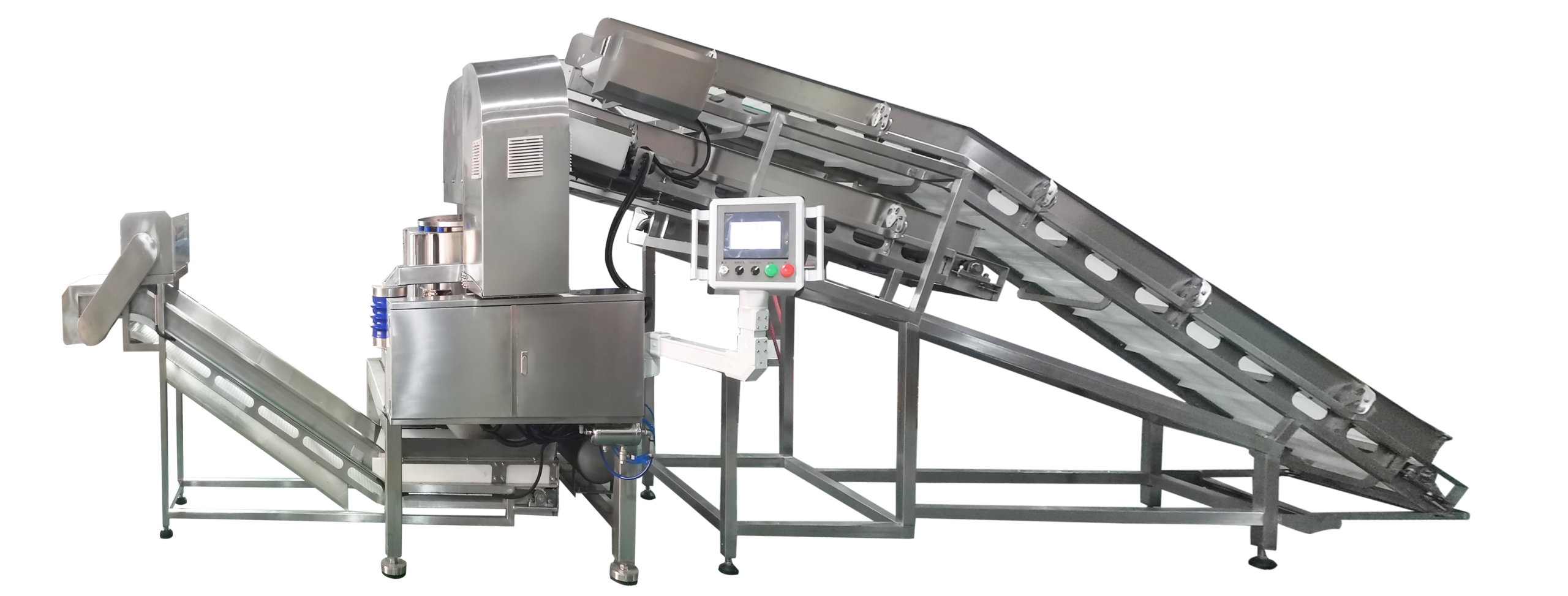
Automatic Centrifugal Dewatering Line
Automates feeding, centrifugal dewatering and discharge for continuous fresh-cut salad production.
- Best fit: Continuous lines requiring automated dewatering.
Capacity Expansion
Your Line Capacity Is Defined by the Slowest Processing Stage
Buying a higher-capacity washer does not automatically create a higher-capacity production line. Feeding, cutting, washing, dewatering, inspection and packaging must be balanced around sustainable operating capacity.
For an existing factory, identifying the actual constraint can help determine whether one module needs to be upgraded, several stages need rebalancing, or a new line is justified.
RTE Hygiene & Process Control
RTE Processing Requires More Than Washing
Equipment is one part of an RTE hygiene system. Facility zoning, cleaning procedures, water management, sanitizer control, employee practices and validated food-safety programs must work together.
Hygienic Equipment Access
Equipment configuration should provide practical access for routine cleaning, inspection and maintenance around food-contact zones.
Water Management
Water addition, overflow, filtration and organic-load management should be considered according to the process and hygiene program.
Sanitizer Integration
Dosing and monitoring can be integrated according to the customer’s validated sanitation program and applicable local requirements.
Hygiene-Zone Separation
Raw produce flow and post-wash RTE areas should be evaluated as part of the overall facility layout and contamination-control strategy.
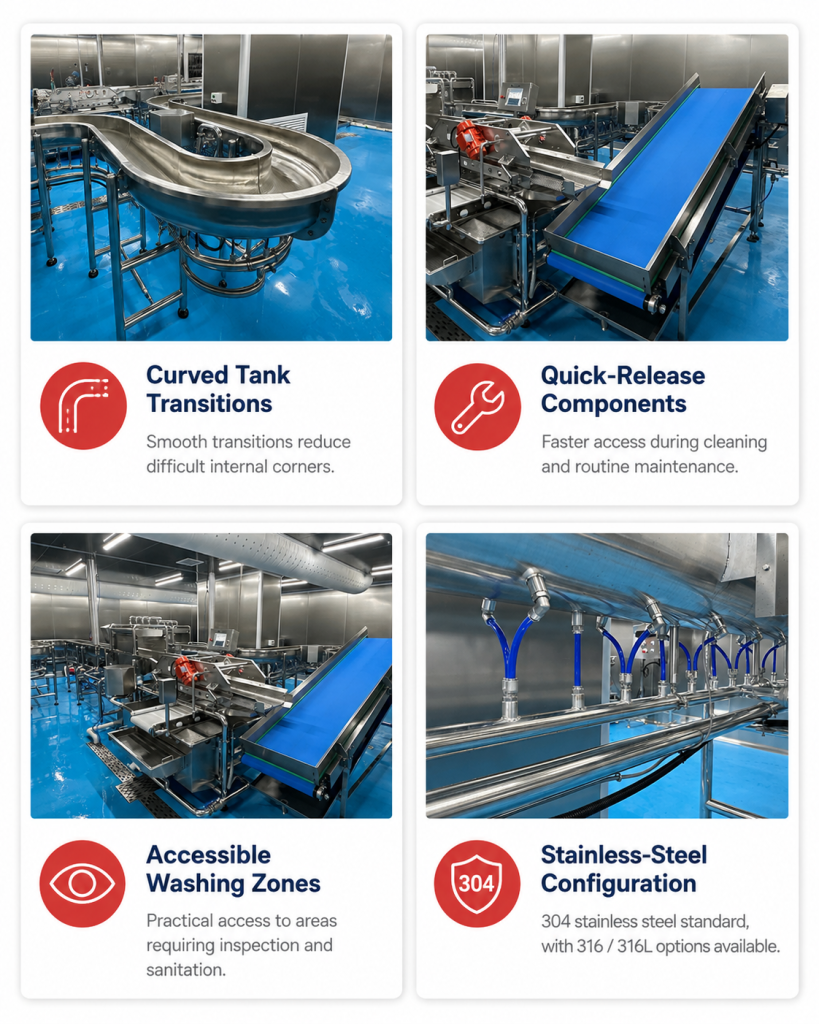
Daily Cleaning & Maintenance
Designed for the Cleaning Work That Happens Every Day
RTE equipment is cleaned repeatedly throughout its working life. Practical access, fewer difficult product-retention areas and maintainable structures therefore matter as much as nominal machine capacity.
Curved Tank Transitions
Smooth transitions reduce difficult internal corners and help make routine cleaning more practical.
Quick-Release Components
Selected belt and conveyor structures allow faster access during cleaning and routine maintenance.
Accessible Washing Zones
Operators need practical access to areas requiring inspection and sanitation during daily production.
Stainless-Steel Configuration
304 stainless steel is the standard configuration for many applications, with 316 / 316L options available where the project specification requires them.
Existing Line Integration
Keep the Equipment That Still Works
An expansion project does not always require a completely new line. Existing cutters, conveyors, washers, dewatering systems and packaging interfaces can be reviewed before deciding what should actually be retained, replaced or added.
Supermarket & Retail Networks
Central Fresh Produce Processing for Multi-Store Retail Supply
A centralized fresh facility can prepare fresh produce for a network of stores instead of repeating the same labor-intensive preparation in each outlet. The processing concept can cover whole washed produce, trimmed vegetables, fresh-cut ingredients and RTE salad products.
Farms & Suppliers
Incoming vegetables and leafy produce from approved supply sources.
Central Fresh Produce Facility
Receiving → preparation → cutting → washing → RTE processing → packing → cold storage.
Store Network
Controlled distribution of retail-ready fresh produce and prepared vegetable SKUs.
Multiple SKUs
Design production around the actual fresh-produce and salad portfolio rather than around one single product.
Standardized Store Supply
Central preparation can support more consistent specifications across multiple locations.
Centralized Labor
Move selected repetitive preparation work away from individual retail outlets into a dedicated production environment.
Scalable Capacity
Plan processing capacity around store demand today while reserving room for future SKU and network growth.
Project Engineering
From Processing Requirement to Integrated Line
Equipment selection comes after the product and process requirements are understood. TEEMYEAH can support the project from early line definition through equipment integration and commissioning.
Product & Capacity Review
Raw materials, finished products, target output, SKU range and production schedule.
Process Definition
Preparation, cutting, washing stages, sanitation logic, dewatering and downstream handling.
Line Configuration
Machine selection, automation level, interfaces and capacity balancing between stages.
Define digital control and data integration alongside equipment selection and line interfaces.
Layout & Utilities
Equipment footprint, workflow, electricity, water, drainage and supporting utility requirements.
Testing & FAT
Equipment and process testing can be planned according to project scope and availability of representative product.
Installation coordination, commissioning support and operator familiarization according to the agreed project scope.
Start the Line Discussion
What Information Helps Us Configure the Right RTE Line?
You do not need to prepare a complete technical specification before contacting us. A few production details are enough to begin an initial process discussion.
Raw Materials
Iceberg, romaine, baby leaf, cabbage, carrot or mixed vegetables.
Finished Products
Whole washed, trimmed, shredded, sliced, diced or mixed salad.
Target Output
Approximate kg/h, kg/day or required finished packs per period.
Production Schedule
Working hours per shift, number of shifts and expected peak demand.
Current Equipment
For upgrades, share your current machines, output and bottleneck.
Facility Information
Available space, floor plan, water, drainage and electricity.
RTE Salad Processing FAQ
Questions Buyers Commonly Ask Before Configuring a Line
Capacity depends on raw material, product condition, cut specification, yield, feeding method, washing process, dewatering requirement and downstream packaging. The full process should therefore be sized together rather than using the rated capacity of one machine as the line capacity.
TW-475 can be evaluated for lower-volume projects or facilities where a long continuous washing line is not practical. Its multi-tank process provides sequential washing stages while allowing washing time to be managed by stage. For higher, stable continuous production, a configuration based around TW-705 may be more appropriate.
Yes. Existing equipment can be reviewed together with current output and known bottlenecks. Depending on compatibility, an upgrade may involve adding or replacing selected cutting, conveying, washing, dewatering or other modules rather than rebuilding the complete line.
Potentially. Integration depends on dimensions, working height, actual capacity, product transfer method, control interface and hygienic requirements. Existing equipment should be technically reviewed before a final retrofit configuration is confirmed.
Many projects process several products, but not every product should automatically use the same operating parameters. Different vegetables can require different cutting methods, washing intensity, residence time, dewatering settings and changeover procedures.
Not necessarily. Iceberg, romaine and delicate baby leaf products differ in structure, density and sensitivity to mechanical handling. Actual finished-product requirements and product testing should guide suitable washing and transfer conditions.
Sanitizer dosing and monitoring can be incorporated according to the customer’s process design, validated hygiene program and local regulatory requirements. The food operator remains responsible for establishing and validating the applicable sanitation controls.
304 stainless steel is commonly used as the standard configuration. 316 or 316L can be specified for selected equipment or wet-contact areas where the project or customer specification requires a higher material grade.
In many projects the upstream processing line can be designed to interface with existing weighing or packaging equipment. Transfer height, product flow, buffer requirements, packaging speed and control interface should be confirmed during engineering.
The most useful starting information is raw material, finished product specification, required output, working hours, SKU range and available factory space. For an existing operation, current equipment, actual throughput and known bottlenecks are also valuable. Details such as water supply, drainage, sanitation program and packaging interface can be developed as the project progresses.
Start With Your Production Requirement
Tell Us What You Want to Produce
Whether you are entering fresh-cut processing, building centralized fresh produce supply for a retail network, or removing a bottleneck from an existing RTE line, the discussion can start with a few basic production details.
Discuss Your RTE Project
Keep it simple. Detailed technical information can be provided later.