







Buying industrial food-processing equipment internationally involves more than selecting the correct machine. Buyers also need to know what happens when the equipment arrives: who prepares the utilities, how the machine is installed, whether an engineer must travel to the site, and how operators learn to use the equipment correctly.
At TEEMYEAH, the delivery and support approach depends mainly on whether the order involves a standalone machine or an integrated processing project. This guide explains the difference so overseas factories, central kitchens, agricultural processors and project teams can plan site preparation, installation responsibilities and commissioning before shipment.
In Short
Standalone machine: Relevant manuals, operating guidance and installation or operation videos are provided where applicable. After correct site preparation and utility/electrical connection, normal standalone machines can usually be started without sending a TEEMYEAH engineer overseas.
Processing-line project: For integrated projects, TEEMYEAH can arrange one or more experienced engineers according to the project scope to support installation, commissioning and training. Translation can be supported by suitable TEEMYEAH personnel or arranged by the customer. The customer is responsible for agreed engineer travel-related expenses, which are confirmed according to the project and destination.
Standalone Machines and Processing-Line Projects Require Different Support
Standalone Equipment
Best suited for equipment that can operate independently after it is positioned correctly, required utilities are available, the electrical supply is safely connected, and startup checks are completed.
Support normally focuses on:
- Installation guidance
- Machine documentation and operating manuals
- Installation or operation videos where applicable
- Utility and electrical information
- Remote technical clarification
Processing-Line Projects
Integrated projects require additional coordination because multiple machines, conveyors, utilities and process stages must operate as one system.
Support may involve:
- One or more onsite engineers
- Positioning and line-interface checking
- Installation guidance and commissioning
- Testing and operator training
- Translation and communication arrangements
All services depend on the agreed project scope.
What Happens When You Order a Standalone Machine?
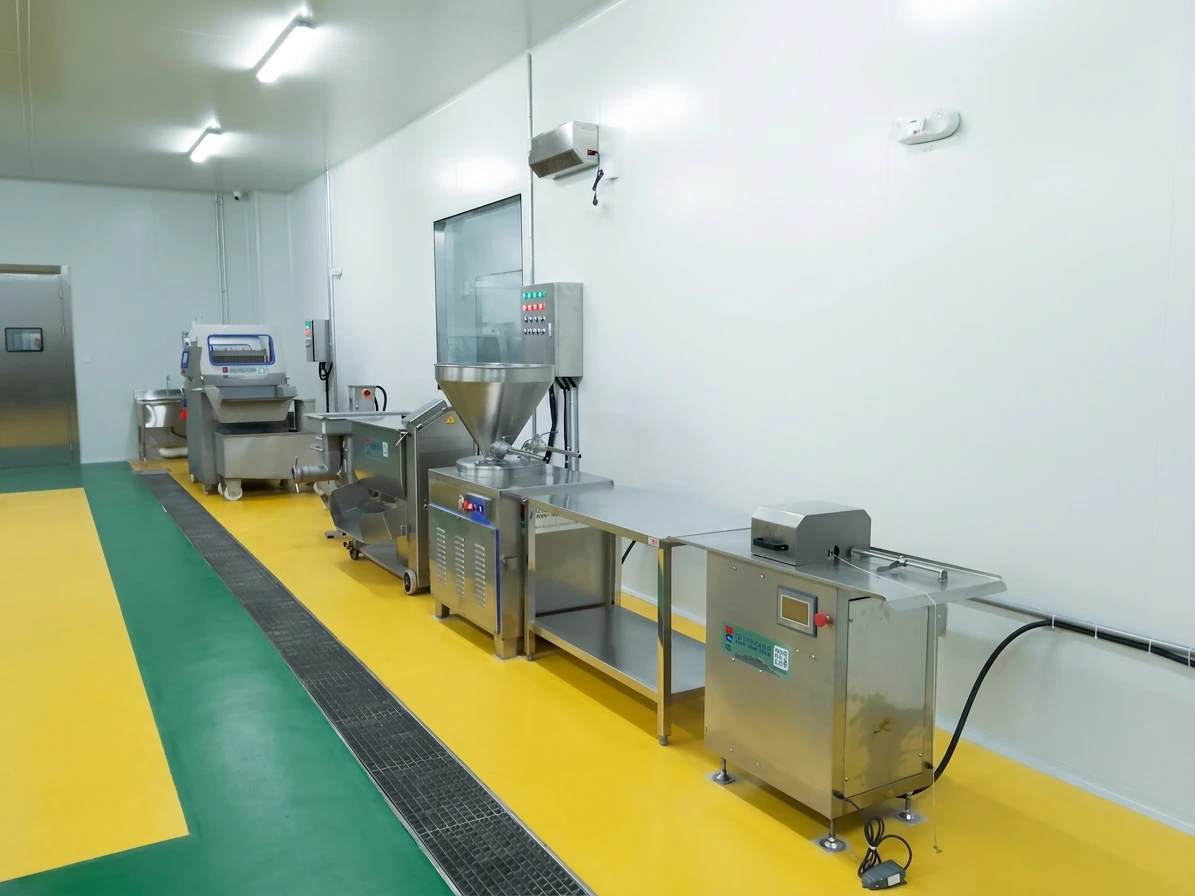
1. Technical Requirements Are Confirmed
Before production or shipment, TEEMYEAH and the buyer confirm the requirements relevant to the selected machine. Depending on the model and application, these may include voltage, frequency, phase, product characteristics, capacity, machine configuration, accessories and required utilities. Confirming these items early helps avoid unsuitable site connections or configuration misunderstandings after arrival.
2. Equipment Is Prepared for Shipment
The machine and its shipment documentation are prepared according to the agreed order. Packaging and securing arrangements depend on the equipment size, structure, transport method and destination requirements; there is no single packaging method for every machine.
3. Installation and Operating Information Is Provided
For standalone machines, TEEMYEAH provides the relevant documentation needed to prepare the equipment for operation. Depending on the machine and order, this may include a machine or operating manual, installation/setup guidance, installation or operation video, electrical and utility information, and technical drawings where applicable. The exact document set depends on the machine model and order scope.
4. Site Utilities Are Connected Correctly
Before startup, the customer should confirm that the required electrical supply, water, compressed air or other utilities—where applicable—match the machine specifications. Industrial electrical connections should be completed by appropriately qualified personnel in accordance with the machine requirements and applicable local regulations.
Once a normal standalone machine has been correctly positioned, connected and checked according to its documentation, it can usually proceed to startup and operation without a TEEMYEAH engineer travelling internationally for every installation. Remote technical clarification is available when questions arise.
Typical Support for a Standalone Machine
- ✓ Installation / setup guidance
- ✓ Machine documentation
- ✓ Operating manual
- ✓ Relevant installation or operation videos
- ✓ Utility / electrical information where applicable
- ✓ Remote technical clarification
Exact documentation depends on the machine model and order scope.
Why a Complete Processing Line Needs More Coordination

A complete line combines multiple process stages. Machine positioning, conveyor alignment, material transfer, water supply, drainage, electrical connections, compressed air where applicable, upstream/downstream interfaces, control logic and the operating sequence may all affect how the system starts and runs.
This does not mean every project has the same level of complexity. It means an integrated line should be reviewed and commissioned as a system. Buyers considering an engineered food pre-processing line, an RTE salad processing line or another multi-machine solution should confirm installation and commissioning responsibilities during the project-planning stage.
Onsite Engineering Support for Processing-Line Projects
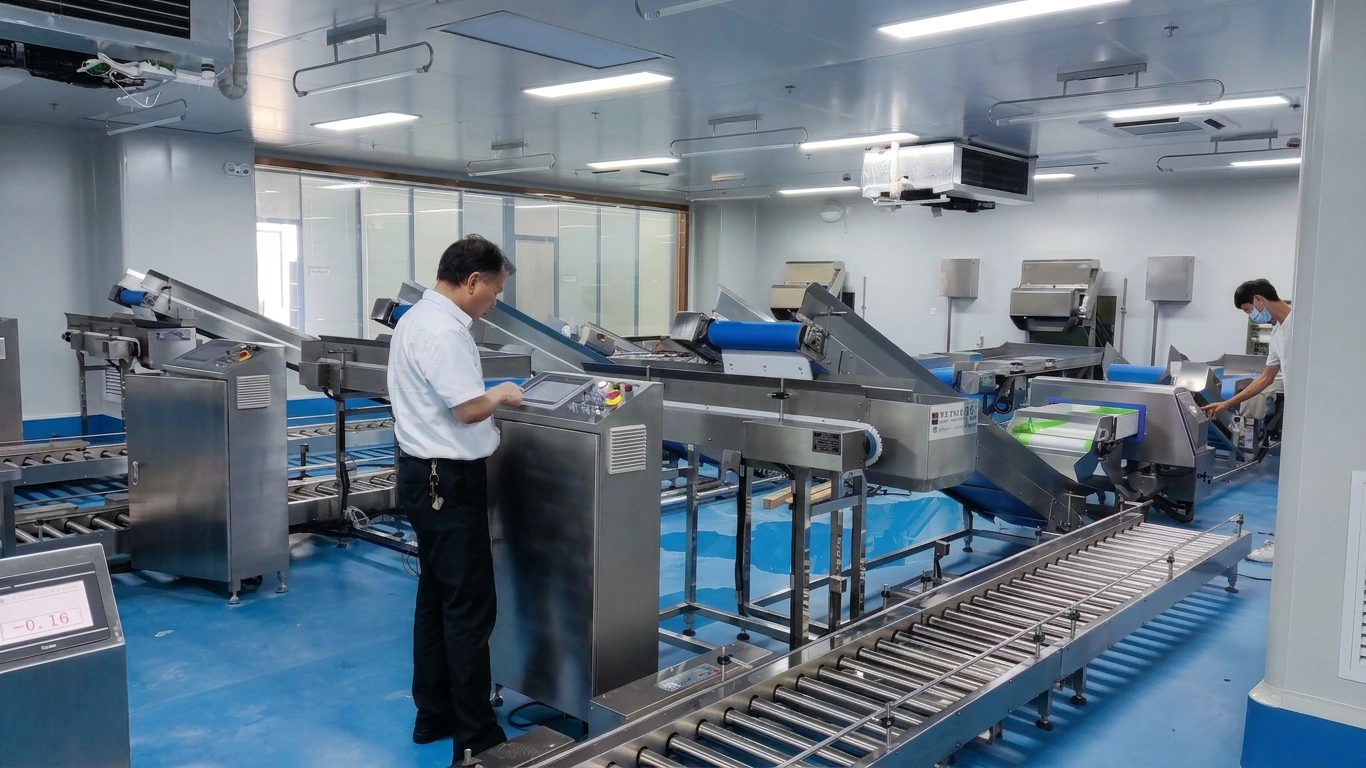
For integrated food-processing projects, TEEMYEAH can arrange experienced technical personnel to travel to the customer’s site according to the agreed project scope. The number of engineers depends on factors such as line size, equipment quantity, process complexity, installation workload and commissioning requirements. Some projects may require one engineer, while larger or more complex installations may require multiple technical personnel.
What Does the Onsite Team Support?
- Equipment positioning: confirming that machines follow the intended process sequence and have suitable operating positions.
- Installation guidance: helping the customer’s local installation team understand the supplied equipment’s installation requirements.
- Interface checking: reviewing relevant machine, conveyor and utility connections.
- Commissioning: checking startup conditions and supporting system commissioning.
- Product testing: where included in the scope and suitable raw materials are available, supporting operational line testing.
- Operator training: explaining normal operation, startup/shutdown procedures, cleaning considerations and basic operating requirements.
The exact onsite activities must be defined in the agreed project scope. Onsite support does not create a universal performance acceptance promise independent of the contracted requirements, available utilities, raw materials and customer site readiness.
From Order Confirmation to Operation
Remote Support and Onsite Support Are Not the Same
| Support area | Standalone machine | Processing-line project |
|---|---|---|
| Documentation | Relevant manuals and setup information | Project and equipment information according to scope |
| Videos | Installation or operation videos where applicable | May supplement project guidance where applicable |
| Typical support channel | Documentation and remote technical clarification | Remote coordination plus onsite support when agreed |
| Engineer travel | Not automatically required | One or more engineers depending on project scope |
What Should the Customer Prepare Before the Engineers Arrive?
Overseas commissioning works best when the site is ready before travel begins. Depending on the project, preparation may include an available equipment area, the specified power supply, water, drainage, compressed air where applicable, local installation personnel, lifting or handling equipment when required, safe site access, raw materials for commissioning tests, and relevant operators or technical staff.
Project-specific preparation requirements should be confirmed before engineer travel is booked. If required utilities, installation labor or test materials are unavailable, commissioning activities may be limited or delayed even when the equipment has already arrived.
How Is Language Support Arranged During Overseas Installation?
Technical communication arrangements should be agreed before deployment. Where suitable language capability is available, TEEMYEAH sales or project personnel may assist with communication between the technical team and the customer. Alternatively, the customer can arrange a local translator who understands the project language and can support onsite discussions.
The suitable arrangement depends on the destination country, project language, technical communication requirements and customer preference. TEEMYEAH does not assume that every language can always be supplied by its own personnel.
Who Pays the Engineer’s Overseas Travel Expenses?
For project-based overseas onsite support, the customer is responsible for the agreed travel-related expenses associated with engineer deployment.
Actual expenses depend on the project scope, destination, required number of engineers, duration of onsite work and travel arrangements. The exact commercial arrangement must be confirmed for each project before deployment. TEEMYEAH does not publish one fixed global installation or travel price, and this article does not imply that onsite services or international travel are free.
Preparing Equipment for International Delivery
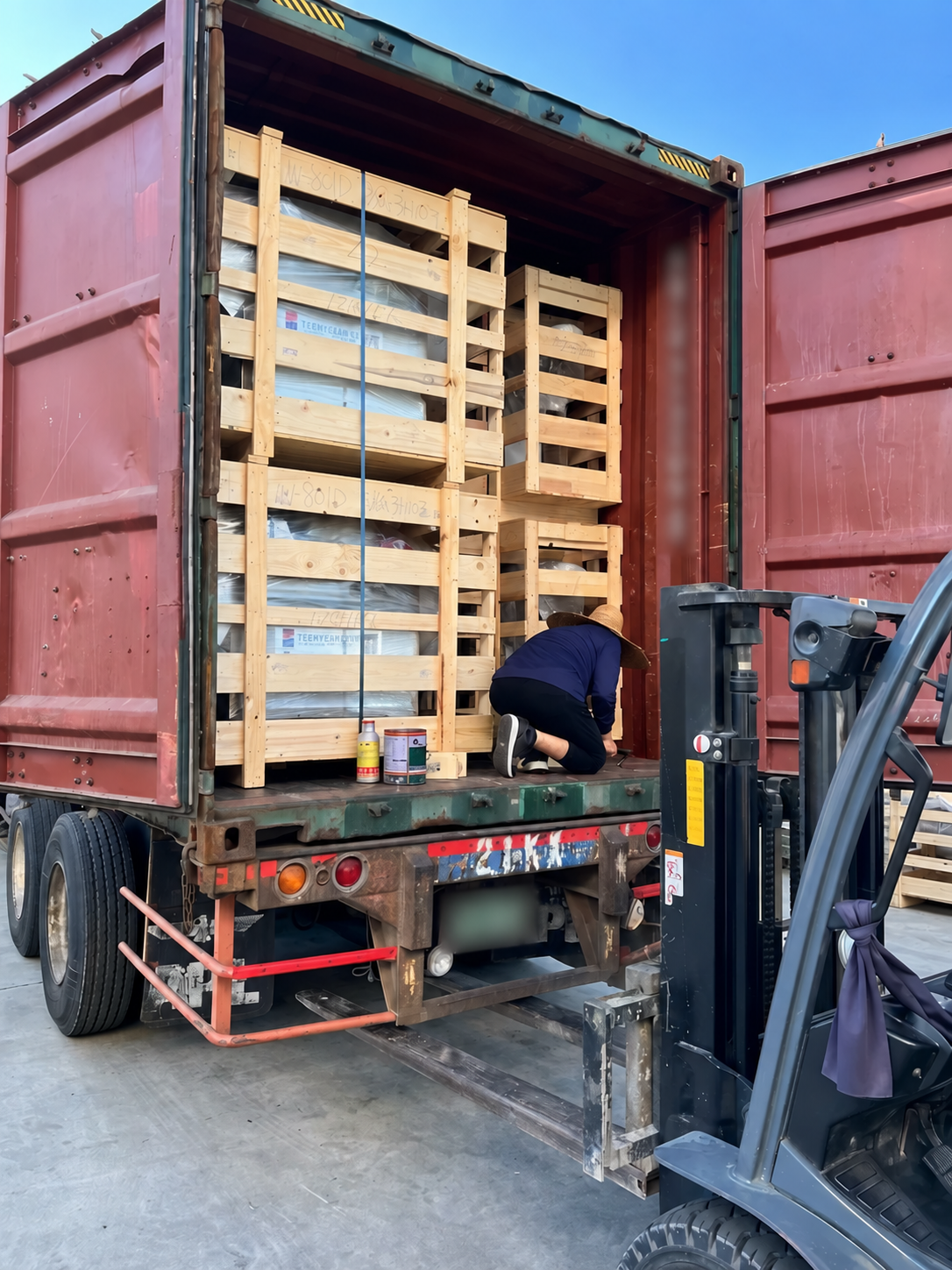
Packaging and securing methods are selected according to machine size, structure, transportation method and project requirements. Verified TEEMYEAH shipment records include equipment protected with wrapping or wooden support structures and crates prepared for container loading. These images illustrate specific shipments rather than a universal packaging specification for every machine.
Before shipment, buyers should also confirm the receiving site’s unloading access, lifting or handling needs and the planned route from the unloading point to the final equipment location. These practical details can affect how smoothly a machine or line is placed after arrival.
Frequently Asked Questions
Does a TEEMYEAH engineer need to travel overseas to install every machine?
No. Normal standalone machines generally do not require an international engineer visit when the equipment can be correctly installed, connected and started using the supplied documentation and technical guidance. The exact requirement depends on the equipment.
What documentation is provided with a standalone machine?
Relevant documentation may include operating manuals, installation/setup guidance, technical information and installation or operation videos where applicable. Exact documents depend on the machine and order scope.
Who should connect the electrical supply?
Industrial electrical connections should be completed by appropriately qualified personnel according to the machine specifications and applicable local requirements.
Does TEEMYEAH send engineers for complete processing lines?
For integrated projects, onsite technical personnel can be arranged according to project requirements. The number of engineers depends on project size, complexity and the agreed service scope.
Who pays the engineer’s overseas travel expenses?
For project-based onsite support, the customer is responsible for agreed travel-related expenses associated with engineer deployment. The amount depends on the location, required personnel, duration and travel arrangements and is confirmed before deployment.
How is translation handled during installation?
Where suitable language capability is available, TEEMYEAH sales or project personnel may assist with communication. Alternatively, the customer can arrange a local translator. The arrangement should be agreed before the onsite visit.
Planning an Overseas Equipment or Processing-Line Project?
Tell us what you plan to process, your required capacity, destination country and whether you are considering a standalone machine or a complete processing line. Our team can help clarify the equipment configuration, installation approach and technical support required before you place the order.
Are you a local food equipment distributor or engineering company? Explore TEEMYEAH Distributor Partnership →