







Technical Support
Technical Support for Food Pre-Processing Projects
TEEMYEAH supports food pre-processing equipment projects from requirement analysis and layout discussion to equipment selection, line integration, installation guidance, commissioning, operator training, maintenance, and after-sales communication.
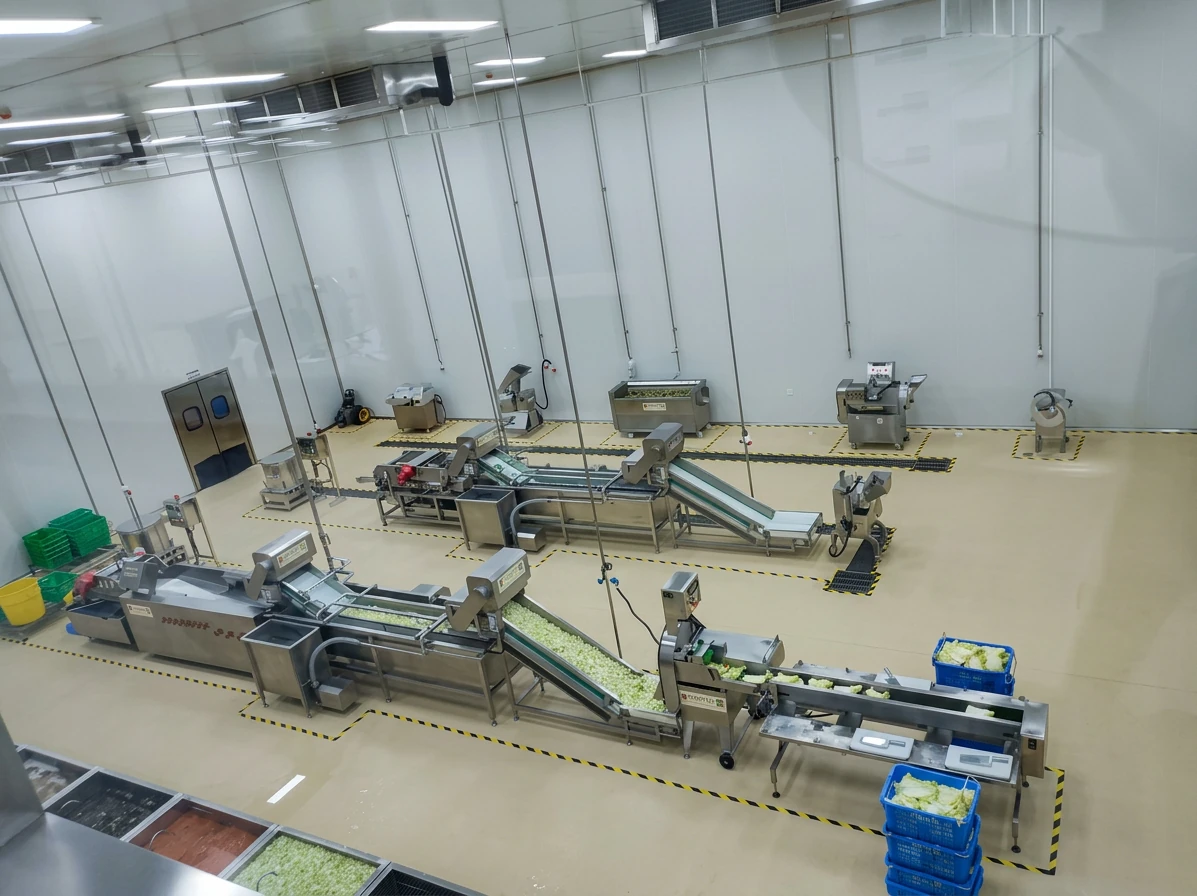
Before Order
Requirement review and equipment selection.
During Delivery
Layout discussion and installation guidance.
After Start-Up
Training, maintenance, and troubleshooting support.
Project Support Philosophy
Good equipment selection starts with the process, not the quotation.
A vegetable washing line, cutting section, dewatering machine, or meat processing unit performs well only when it matches the food material, output target, site conditions, and daily operating rhythm. TEEMYEAH’s technical support helps customers reduce wrong selection, layout conflict, installation delay, and unstable production results.
Clarify the production requirement
Material type, cut size, cleaning result, moisture target, capacity, and shift arrangement are reviewed before configuration.
Connect machines into a workable flow
Washing, cutting, dewatering, sterilization, conveying, weighing, and packing-prep sections are considered as one operating system.
Support start-up and daily operation
Installation guidance, commissioning, operator training, maintenance advice, and remote troubleshooting help improve long-term stability.
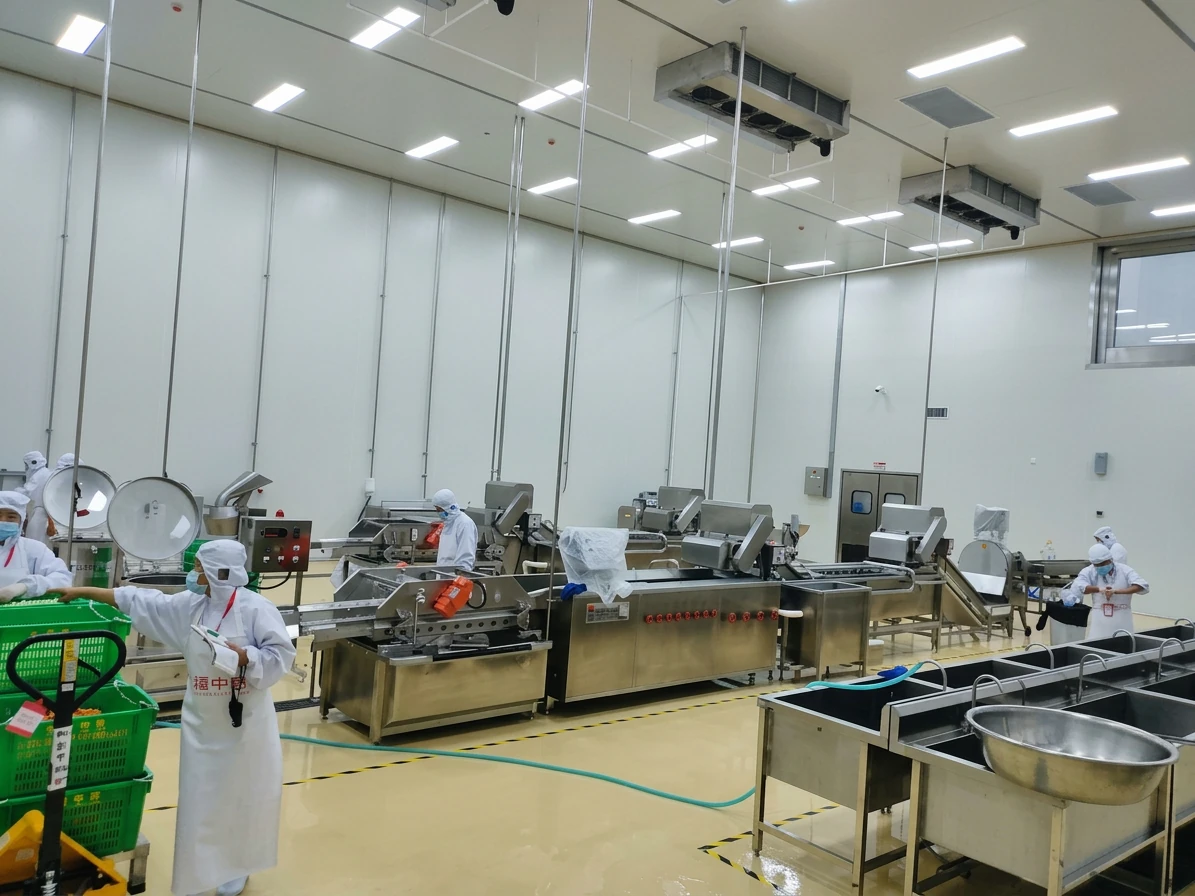
Support Scope
Technical support across the project lifecycle.
Support can be adjusted according to the project type. A single-machine inquiry may need quick model confirmation, while an integrated line usually requires deeper review of process flow, layout, utilities, installation, and operator training.
01 / Requirement
Requirement Analysis & Process Planning
TEEMYEAH reviews food materials, production capacity, finished output, hygiene requirements, and site conditions before confirming the processing route.
- Raw material and product-form review
- Hourly and daily capacity clarification
- Process route suggestion for washing, cutting, dewatering, sterilization, or packing preparation
02 / Layout
Layout & Line Design Support
For line projects, TEEMYEAH supports equipment placement and flow discussion based on the available floor plan, operator movement, material direction, drainage, water, and power conditions.
- Equipment footprint and line direction discussion
- Clean/dirty area and functional-zone consideration
- Connection logic between upstream and downstream processes
03 / Selection
Equipment Selection & Line Integration
Equipment is selected according to material characteristics, output requirements, and the relationship between each process step.
- Single-machine model recommendation
- Integrated washing, cutting, dewatering, and conveying sections
- Optional interfaces such as chemical dosing or online monitoring when required
04 / Start-Up
Installation Guidance & Commissioning
TEEMYEAH provides installation guidance, commissioning support, and operating-parameter confirmation to help reduce start-up risk.
- Equipment positioning and connection guidance
- Trial run and process parameter confirmation
- Basic acceptance and start-up checklist support
05 / Training
Operator Training & Maintenance Support
Training helps operators understand daily operation, cleaning, safety attention points, regular inspection, wear-part management, and basic troubleshooting.
- Operation and cleaning guidance
- Routine inspection and maintenance advice
- Wear-part and spare-part management support
06 / Service
After-Sales Service & Remote Troubleshooting
After delivery, TEEMYEAH supports customers with technical communication, problem diagnosis, part replacement advice, and continued project improvement when needed.
- Remote issue review through photos, videos, and operating feedback
- Spare-parts identification and replacement guidance
- Optimization suggestions when product or capacity changes
Project Workflow
A practical path from requirement confirmation to start-up training.
The support path is adjusted to project complexity, but the goal is always the same: make sure each machine, utility connection, and operator action fits the real production process before the line starts running.
01
Confirm Requirements
Review raw materials, output target, capacity, finished form, hygiene standard, and automation expectation.
02
Review Site Conditions
Check floor space, drainage, water, electricity, clean and dirty areas, logistics route, and installation schedule.
03
Plan Process Flow
Define washing, cutting, dewatering, sterilization, conveying, weighing, and packing-preparation sequence.
04
Select Equipment
Match models, line modules, interfaces, and optional controls to the real production rhythm.
05
Integrate the Line
Discuss layout direction, connection height, transfer points, utility access, maintenance space, and operator movement.
06
Install, Commission, Train
Support positioning, trial run, parameter confirmation, operator training, maintenance routine, and start-up review.
What We Review
Key technical factors checked before solution confirmation.
These review points help identify whether the equipment configuration, layout, and operating method are suitable for the actual production environment.
| Technical Area | What TEEMYEAH Checks | Why It Matters |
|---|---|---|
| Raw Materials | Vegetables, leafy greens, root vegetables, fruit, meat, poultry, fish, seafood, and product condition. | Material structure affects washing method, cutting tool, dewatering method, and line speed. |
| Output Requirements | Cut shape, size, cleaned state, dewatered level, sterilization requirement, and pack-ready expectation. | Clear output targets prevent wrong machine selection and unstable production results. |
| Capacity & Shift | Hourly capacity, daily volume, peak period, batch size, and labor arrangement. | Capacity must be balanced across washing, cutting, dewatering, and downstream handling. |
| Site Conditions | Layout space, ceiling height, floor drainage, water supply, power, and logistics route. | Good machines still underperform when installation conditions are ignored. |
| Hygiene Control | Clean/dirty separation, water replacement, chemical dosing interface, residual-control concern, and cleaning access. | Hygiene planning is critical for RTE/RTC vegetables, central kitchens, and institutional food projects. |
| Maintenance | Cleaning frequency, wear parts, access space, operator skill, and local service expectation. | Maintenance planning affects long-term operating cost and production stability. |

Information to Prepare
Send these details for faster technical review.
Complete project information helps the technical team narrow the processing route, avoid repeated communication, and recommend a more accurate equipment configuration.
Product & Process Data
- Raw material list and photos or videos
- Target cut size, shape, and finished state
- Daily volume, hourly capacity, and shift time
- Washing, sterilization, dewatering, or packing requirements
Factory & Utility Data
- Available floor plan or equipment-room dimensions
- Power, water supply, drainage, and compressed-air conditions
- Current manual workflow or existing equipment list
- Expected installation schedule and delivery destination
Support Outputs
Practical materials that support project communication.
Depending on project complexity, TEEMYEAH can provide technical clarification and project materials that help your team review the proposal with greater confidence.
Process Route Suggestion
A suggested flow based on material type, target output, and required process steps.
Equipment Configuration
Recommended machine models or line modules matched to production needs.
Layout Discussion
Equipment placement and line-direction suggestions based on available site information.
Commissioning Support
Guidance for start-up, trial run, parameter confirmation, and operator training.
Common Technical Questions
Questions customers often ask before a project starts.
For broader browsing, visit Resources, FAQs, Certifications & Downloads, Video Center, or Industries.
Yes. Some customers only need a single machine for washing, cutting, dewatering, or meat processing. Others need a connected line with conveyors, washing sections, cutting equipment, sterilization, drainage, weighing, and packing-preparation modules.
The choice depends on product type, target moisture level, hygiene requirements, available space, and budget. Centrifugal dewatering is flexible for many leafy vegetables, while air-drying systems require closer attention to production-room air quality and layout conditions.
For washing and sterilization processes, optional interfaces can be discussed based on sanitizer type, concentration-control needs, food-safety record requirements, and local compliance expectations.
TEEMYEAH can review new raw materials, cutting requirements, or capacity targets and suggest equipment adjustment, tool replacement, process changes, or additional modules where practical.
Send your material list, capacity target, and layout for technical review.
TEEMYEAH can help confirm the process route and recommend a practical equipment configuration for your food pre-processing project.